Sustainable Building Materials: Why Sintered Stone Is Becoming Popular in Modern Architecture?
Aug 12, 2026
Sintered stone is becoming a practical option for projects where durability, easy maintenance, and long-term performance matter. Made from natural mineral materials and produced under high pressure and temperature, it has a dense structure, low water absorption, and good resistance to heat, stains, scratches, and UV exposure.
Why Sintered Stone Works for Interior Projects
For hotels, restaurants, residential developments, and other high-use spaces, material performance needs to match the way the space will be used. Sintered stone requires relatively little daily maintenance and can handle moisture, heat, and frequent cleaning. This makes it suitable for areas where durability and practical maintenance are important.
Large-format sintered stone slabs also offer more flexibility during fabrication. Larger pieces can reduce the number of joints on countertops and wall surfaces, while proper cutting plans can help control material waste. For larger orders, confirming slab dimensions and thickness before production is particularly important.
Common Applications of Sintered Stone
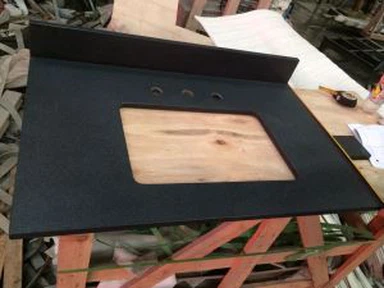
Sintered stone can be used for countertops, bathroom surfaces, flooring, furniture, and interior wall applications. Sintered stone wall panels are especially useful for feature walls, bathroom walls, hospitality interiors, and other spaces where a clean and continuous surface is preferred.
Before production, it is important to confirm the required slab size, thickness, finish, cutting details, and installation conditions. These details can affect material usage as well as fabrication and installation.
How Does Sintered Stone Compare With Natural Stone?
Sintered stone does not need to replace marble or granite in every project. Natural stone remains a strong choice when natural veining, color variation, and unique character are important to the design. Sintered stone is often more suitable when consistent appearance, low maintenance, and resistance to everyday wear are higher priorities.
For project planning, the right material depends on the application, fabrication requirements, expected use, and maintenance needs. Choosing according to these factors can help achieve a better balance between appearance, performance, and long-term value.