


Sintered stone is a high-performance architectural surface made by combining natural minerals and subjecting them to intense pressure and heat. Unlike natural stone, its manufacturing process allows manufacturers to achieve controlled patterns, colors and surface finishes.
In China, the term “sintered stone” is commonly translated as “岩板”, while different international markets may use terms such as large-format sintered surface, ultra-compact surface or porcelain-based architectural slab depending on the product composition and manufacturing technology.
This distinction is important when comparing different sintered stone brands, because manufacturing technology, raw materials, thickness, slab size and testing standards can vary significantly between products.
Our sintered stone is a sustainable & high-performance replacement for natural stone. With natural stone texture, zero color difference, stain resistance and high durability, it is a perfect eco-friendly solution for modern interior & exterior decoration. It meets international green building standards with lower breakage rate and more stable batch quality, ideal for engineering projects and wholesale business.
Eco-Friendly & Sustainable:
No excessive quarrying, low carbon emission, recyclable production process, compliant with EU CBAM and global green building policies.
Superior Physical Performance:
High hardness, scratch-resistant, stain-proof, heat-resistant, and frost-resistant; zero water absorption, effectively avoiding yellowing, alkali return and mildew problems.
Stable & Uniform Quality:
Consistent texture and color in batches, no natural stone random defects, greatly reducing construction waste and rework rate.
Wide Application:
Ideal for interior & exterior wall cladding, floor paving, kitchen & bathroom countertops, villa decoration, hotel & commercial engineering renovation.
asy Processing & Low Damage Rate:
Stable structure, low breakage during transportation and construction, saving overall project cost.
Available Specifications:
Customized sizes & finishes (matte / glossy / textured) available; regular large-size specifications for engineering wholesale, supporting OEM & ODM service.
-
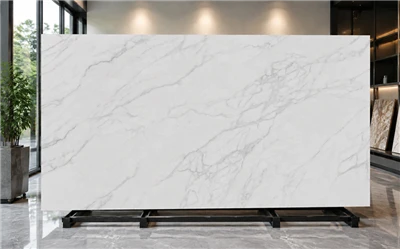
![Statuario White Sintered Stone Slabs]()
Statuario White Sintered Stone Slabs
Add to Inquiry -
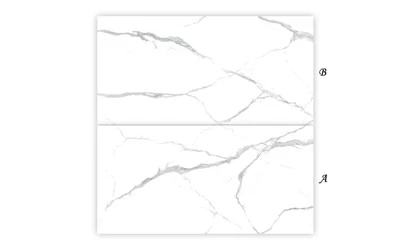
![Calacatta White Sintered Stone Slabs]()
Calacatta White Sintered Stone Slabs
Add to Inquiry -
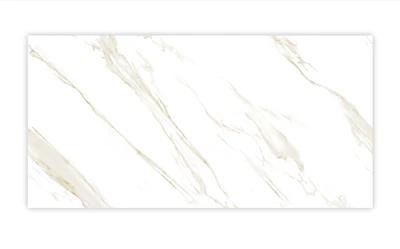
![Gadar Calacatta Gold Sintered Stone Slabs]()
Gadar Calacatta Gold Sintered Stone Slabs
Add to Inquiry
Sintered Stone Applications
-
Sintered Stone Countertops
Sintered stone countertops are increasingly used in residential kitchens, luxury homes, apartments, hotels and commercial interiors.
They can be fabricated with sink cutouts, cooktop cutouts, drainage grooves and customized edge profiles.
-
Sintered Stone Kitchen
For a modern sintered stone kitchen, slabs can be used for:
Kitchen countertops
Kitchen islands
Backsplashes
Worktops
Cabinet panels
Dining tables
-
Sintered Stone Worktops
Sintered stone worktops provide a durable surface for kitchens, utility rooms, bars, hospitality projects and commercial interiors.
Custom fabrication is available according to project drawings.
-
Sintered Stone Furniture
Sintered stone furniture is another important application.
The material can be fabricated into:
- Coffee tables
- Dining tables
- Side tables
- Console tables
- Desks
- Cabinet surfaces
- Custom furniture components
-
Sintered Stone Bathroom
Sintered stone is suitable for:
- Bathroom countertops
- Vanity tops
- Shower walls
- Wall panels
- Bathroom floors
- Custom vanity furniture
-
Luxury Sintered Stone Flooring
Large-format slabs can also be used for luxury sintered stone flooring, feature walls and other interior architectural surfaces.
Sintered Stone FAQ

01. What is the difference between sintered stone and natural marble?
02. Is sintered stone environmentally friendly for EU & US projects?
03. What sizes and finishes do you offer?
04. Is Sintered Stone Durable?
05. Is Sintered Stone Stain Resistant?
Sintered stone has a dense surface with low porosity, making many products highly resistant to common household stains.
This makes it particularly suitable for:
- Kitchen countertops
- Bathroom vanities
- Worktops
- Hospitality interiors
06. Can sintered stone replace natural stone for kitchen countertops and flooring?
Sintered Stone vs Granite
| Feature | Sintered Stone | Granite |
|---|---|---|
| Material Type | Engineered surface | Natural stone |
| Appearance | Controlled patterns & colors | Natural variation |
| Heat Resistance | Excellent for many products | Excellent |
| Stain Resistance | Generally very good | Depends on porosity and sealing |
| Maintenance | Low | Periodic sealing may be required |
| Pattern Consistency | More predictable | Naturally variable |
| Large Formats | Available | Dependent on quarry |
| Custom Colors | Wide selection | Limited to natural materials |
| Price | Varies by brand/specification | Varies by material/origin |
| Fabrication | Requires suitable tooling | Conventional stone fabrication |
Sintered Stone vs Granite Price
There is no universal answer to whether sintered stone is more expensive than granite.
The final price depends on:
- Brand
- Slab size
- Thickness
- Surface finish
- Pattern
- Country of origin
- Fabrication
- Edge profile
- Quantity
- Shipping
For large commercial projects, we recommend comparing the complete supplied and fabricated cost, rather than only the slab price.
