

What is the Taj Mahal?
Jul 03, 2025
The Taj Mahal is one of the most iconic and magnificent architectural wonders in the world, a timeless symbol of love and a masterpiece of Mughal architecture. As a supplier with a deep - seated interest in the materials related to such grand structures, I find the Taj Mahal to be a source of endless inspiration.
A Historical Overview
The story of the Taj Mahal begins in the 17th century. It was commissioned by the Mughal Emperor Shah Jahan in memory of his beloved wife, Mumtaz Mahal, who died during childbirth in 1631. Shah Jahan was so grief - stricken by her death that he decided to build the most beautiful mausoleum in her honor. Construction of the Taj Mahal started in 1632 and took approximately 22 years to complete, with an estimated workforce of around 20,000 laborers.
The Mughal Empire was at its zenith during Shah Jahan's reign, and the Taj Mahal reflects the opulence and grandeur of that era. It was designed by a team of architects, including Ustad Ahmad Lahauri, who blended Indian, Persian, and Islamic architectural styles seamlessly. The result is a harmonious and symmetrical structure that stands as a testament to the engineering and artistic prowess of the time.
Architectural Features
The Taj Mahal is located on the southern bank of the Yamuna River in Agra, India. The complex consists of several main components, including the main mausoleum, a large garden, a gateway, and two side buildings.
The main mausoleum is the centerpiece of the Taj Mahal. It is built on a large square platform with four minarets at the corners. The minarets are not only aesthetically pleasing but also serve a practical purpose. They were designed to lean slightly outward so that in the event of an earthquake, they would fall away from the main structure, protecting it from damage.
The exterior of the mausoleum is made primarily of white marble, which gives the building its iconic appearance. The marble was sourced from the Makrana quarries in Rajasthan, India. The use of white marble was a deliberate choice, as it symbolizes purity and was associated with royalty in Mughal culture. The marble is highly polished, giving it a smooth and reflective surface that changes color depending on the time of day and the angle of the sunlight.
The interior of the mausoleum is equally impressive. The walls are adorned with intricate carvings, inlaid with precious and semi - precious stones such as lapis lazuli, turquoise, and jade. The inlay work, known as pietra dura, is a form of art where small pieces of stone are cut and fitted together to create detailed patterns and images. The cenotaphs of Mumtaz Mahal and Shah Jahan are located inside the mausoleum, although the actual graves are in the basement below.
The garden at the Taj Mahal is designed in the traditional Persian charbagh style, which means "four gardens." It is divided into four equal parts by water channels, representing the four rivers of paradise in Islamic mythology. The garden is filled with lush greenery, flowers, and trees, creating a serene and peaceful atmosphere. The water channels not only add to the beauty of the garden but also serve to cool the air and provide a source of irrigation.
Symbolism and Significance
The Taj Mahal is not just a beautiful building; it is also rich in symbolism. The symmetry of the structure represents balance and harmony, while the use of white marble symbolizes purity and the divine. The garden with its water channels and lush vegetation represents paradise on earth.
The Taj Mahal is also a symbol of love. Shah Jahan's devotion to Mumtaz Mahal is immortalized in this grand monument. It has become a universal symbol of love and has inspired countless poets, artists, and lovers around the world.
Our Supply Offerings
As a supplier, I understand the importance of high - quality materials in creating such magnificent structures. We offer a range of stone products that are similar in quality and aesthetic appeal to the materials used in the Taj Mahal.
For those interested in replicating the elegance of the Taj Mahal's white marble, we offer White Carrara Marble Slabs. Carrara marble is known for its pure white color and fine grain, making it a popular choice for high - end architectural projects.
If you're looking for a more unique and colorful option, our Moca Gold Limestone Slabs And Pavers are an excellent choice. The warm golden color of the limestone adds a touch of luxury and sophistication to any project.
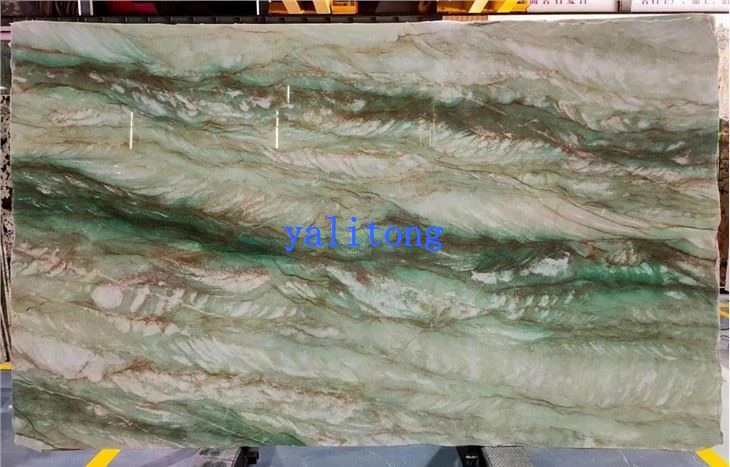
Our Gaya Green Quartzite Slabs are another option for those who want a durable and beautiful stone. Quartzite is a hard and dense stone that is resistant to scratches and stains, making it ideal for both indoor and outdoor use.

Preservation and Tourism
Over the years, the Taj Mahal has faced several challenges, including pollution, environmental degradation, and the effects of tourism. The increasing number of visitors has put a strain on the structure, and the pollution from nearby industries and vehicles has caused damage to the marble.
To address these issues, the Indian government has implemented several conservation measures. These include limiting the number of visitors, controlling pollution in the area, and carrying out regular restoration work. The restoration work involves cleaning the marble, repairing any damage to the inlay work, and maintaining the overall structural integrity of the building.
Despite these challenges, the Taj Mahal remains one of the most popular tourist attractions in the world. Millions of people visit the Taj Mahal every year to marvel at its beauty and learn about its history. It has become a symbol of India's rich cultural heritage and attracts tourists from all over the globe.
Conclusion
The Taj Mahal is a true wonder of the world. It is a masterpiece of architecture, a symbol of love, and a window into the past. As a supplier, I am proud to offer stone products that can help bring the beauty and elegance of the Taj Mahal to other projects. Whether you are an architect, a builder, or a homeowner looking to add a touch of luxury to your space, our stone slabs and pavers can provide the perfect solution.
If you are interested in learning more about our products or discussing a potential project, we invite you to contact us for a detailed discussion. We look forward to the opportunity to work with you and contribute to your next architectural masterpiece.
References
- "The Taj Mahal: The Illusion of Unity in Indian Architecture" by Ebba Koch
- "Taj Mahal: The Living Monument of Love" by R. Nath
- "Mughal Architecture" by Percy Brown