

How does self - compacting concrete work in a slab?
Jul 02, 2025
Hey there! As a slab supplier, I've seen firsthand how self - compacting concrete (SCC) can revolutionize the construction of slabs. In this blog, I'll break down how SCC works in a slab, share its benefits, and give you a real - world understanding of this amazing material.
Let's start with the basics. Self - compacting concrete is a special type of concrete that can flow and fill formwork under its own weight, without the need for mechanical vibration. This is a game - changer for slab construction, as it simplifies the process and saves a ton of time and effort.
How Does Self - Compacting Concrete Work?
The magic of SCC lies in its mix design. It contains a high proportion of fine particles, like fly ash or limestone powder, along with superplasticizers. These superplasticizers are the key ingredient. They reduce the surface tension between the water and the cement particles, allowing the concrete to flow more easily.
When you pour SCC into a slab formwork, it spreads out evenly. The fine particles in the mix act as lubricants, helping the concrete to move smoothly around any obstacles, such as reinforcement bars. Unlike traditional concrete, which needs to be vibrated to remove air bubbles and ensure proper compaction, SCC just does it on its own. It fills every nook and cranny of the formwork, creating a dense and homogeneous slab.
Advantages of Using Self - Compacting Concrete in Slabs
1. Faster Construction
One of the biggest advantages is the speed of construction. Since there's no need for vibration, the pouring process is much quicker. Workers can pour large areas of slab in a shorter time, which means projects can be completed faster. This is a huge plus for both contractors and clients, as it reduces the overall construction time and cost.
2. Better Quality
SCC results in a higher - quality slab. Because it compacts itself, there are fewer voids and air pockets in the concrete. This leads to a stronger and more durable slab. The surface finish is also much smoother, which is great if you're going for an aesthetically pleasing look. You won't have those rough patches or honeycombing that can sometimes occur with traditional concrete.
3. Reduced Labor
With SCC, you don't need a team of workers to operate vibrating equipment. This not only saves on labor costs but also reduces the physical strain on the workers. Less vibration also means less noise pollution on the construction site, which is a bonus for the surrounding area.
4. Improved Reinforcement Bond
The self - compacting nature of SCC allows it to better bond with the reinforcement bars in the slab. This enhances the structural integrity of the slab, as the concrete and the steel work together more effectively to resist loads.
Real - World Applications
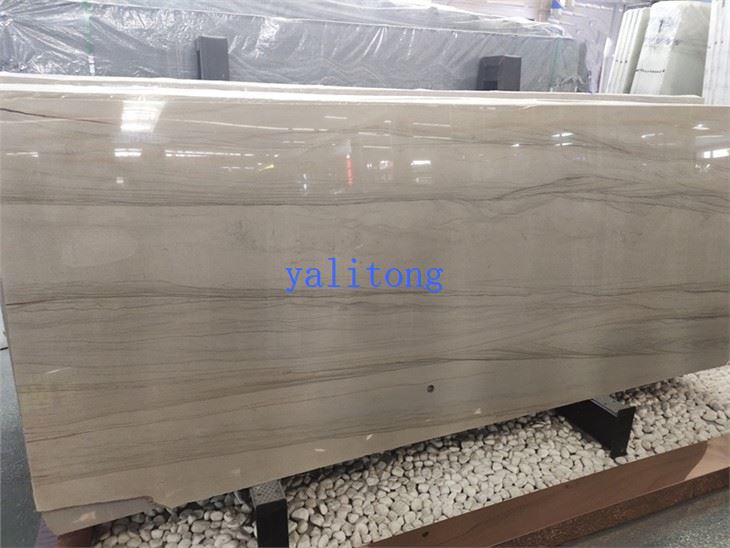
I've supplied slabs for various projects where SCC was used, and the results have been outstanding. For example, in a recent commercial building project, the contractor chose SCC for the floor slabs. The slabs were poured quickly, and the finished surface was so smooth that they could be used as a base for high - end flooring materials like Piano Grey Marble Slabs. The durability of the SCC slabs also ensured that the floors could withstand the heavy foot traffic and equipment in the building.
In another residential project, SCC was used for the patio slabs. The homeowners wanted a sleek and modern look, and the smooth finish of the SCC slabs was perfect. The reduced labor cost also made the project more budget - friendly. And since the slabs were so strong, they could support the weight of outdoor furniture and even a small hot tub without any issues.
Challenges and Considerations
Of course, SCC isn't without its challenges. One of the main concerns is the cost. The materials used in SCC, especially the superplasticizers, can be more expensive than those in traditional concrete. However, when you factor in the savings on labor and construction time, the overall cost can be comparable or even lower in the long run.

Another consideration is the need for proper mix design and quality control. Since SCC is highly dependent on its mix proportions, it's crucial to work with a reliable concrete supplier who has experience with SCC. They need to ensure that the mix has the right consistency and flowability for the specific slab project.
How to Get the Best Results with Self - Compacting Concrete in Slabs
If you're thinking about using SCC for your next slab project, here are some tips:
- Work with a Reputable Supplier: As I mentioned earlier, a good concrete supplier is essential. They should have a proven track record of producing high - quality SCC and be able to provide technical support.
- Plan Ahead: Make sure you have a detailed plan for the pouring process. Consider factors like the size of the slab, the location of the formwork, and the weather conditions.
- Test the Mix: Before pouring the entire slab, it's a good idea to do a small test pour to check the flowability and workability of the SCC. This will help you make any necessary adjustments to the mix.
Conclusion
Self - compacting concrete is a fantastic option for slab construction. It offers numerous benefits, from faster construction and better quality to reduced labor and improved reinforcement bond. As a slab supplier, I've seen how it can transform a project and deliver outstanding results.
If you're in the market for slabs and considering using SCC, I'd love to have a chat with you. Whether you're looking for Piano Grey Marble Slabs or China Violet Marble Slabs to pair with your SCC slabs, I can provide you with the best products and advice. Don't hesitate to reach out and start the conversation about your next project!
References
- Neville, A. M. (2011). Properties of Concrete. Pearson Education.
- ACI Committee 237. (2007). Self - Consolidating Concrete. American Concrete Institute.