

Can stone slabs be used for fountains?
Oct 14, 2025
Can stone slabs be used for fountains? This is a question that many people in the landscaping and architectural design industries often ponder. As a stone slab supplier, I have had extensive experience with different types of stone slabs and their various applications. In this blog, I will delve into the feasibility of using stone slabs for fountains, exploring the advantages, considerations, and suitable stone types.
Advantages of Using Stone Slabs for Fountains
One of the primary advantages of using stone slabs for fountains is their aesthetic appeal. Stone slabs come in a wide range of colors, patterns, and textures, allowing for a high degree of customization. Whether you prefer a sleek and modern look or a more rustic and natural feel, there is a stone slab that can meet your design requirements. For example, China Violet Marble Slabs feature a rich purple hue with unique veining, adding a touch of elegance and luxury to any fountain.
In addition to their visual appeal, stone slabs are also highly durable. Natural stones such as marble, granite, and limestone are known for their strength and resistance to wear and tear. When properly installed and maintained, a stone slab fountain can last for decades, providing a long - term investment for your property. This durability is especially important for outdoor fountains, which are exposed to the elements and need to withstand harsh weather conditions.
Another benefit of using stone slabs is their heat resistance. Unlike some other materials, stone does not heat up quickly under the sun. This is particularly useful for fountains, as it helps to keep the water temperature stable and reduces the risk of algae growth. Additionally, the natural coolness of the stone can create a pleasant and refreshing atmosphere around the fountain.
Considerations When Using Stone Slabs for Fountains
While stone slabs offer many advantages for fountain construction, there are also some important considerations to keep in mind. First and foremost, the weight of the stone slabs must be taken into account. Stone is a heavy material, and a large fountain made of stone slabs can put a significant amount of stress on the foundation. It is crucial to ensure that the foundation is properly designed and constructed to support the weight of the fountain.
Porosity is another factor to consider. Some stones, such as limestone, are more porous than others. Porous stones can absorb water, which may lead to staining and damage over time. It is important to choose a stone with low porosity or to seal the stone properly to prevent water absorption. Regular maintenance, including cleaning and resealing, is also necessary to keep the fountain looking its best.
Chemical resistance is also an important consideration, especially if you plan to use additives or chemicals in the fountain water. Some stones may react with certain chemicals, causing discoloration or damage. Before using any chemicals in the fountain, it is advisable to test them on a small, inconspicuous area of the stone slab to ensure compatibility.
Suitable Stone Types for Fountains
There are several types of stone slabs that are well - suited for fountain construction.
Granite: Granite is one of the most popular choices for fountains due to its high durability and low porosity. It is available in a wide range of colors, from light to dark, and can be polished to a high shine or left with a more natural finish. Granite is resistant to scratches, stains, and weathering, making it an ideal material for outdoor fountains.
Marble: Marble is known for its elegance and beauty. Piano Grey Marble Slabs are a great example of how marble can be used to create a sophisticated and modern fountain. However, marble is more porous than granite and requires more maintenance. It is important to seal marble regularly to protect it from staining and damage.

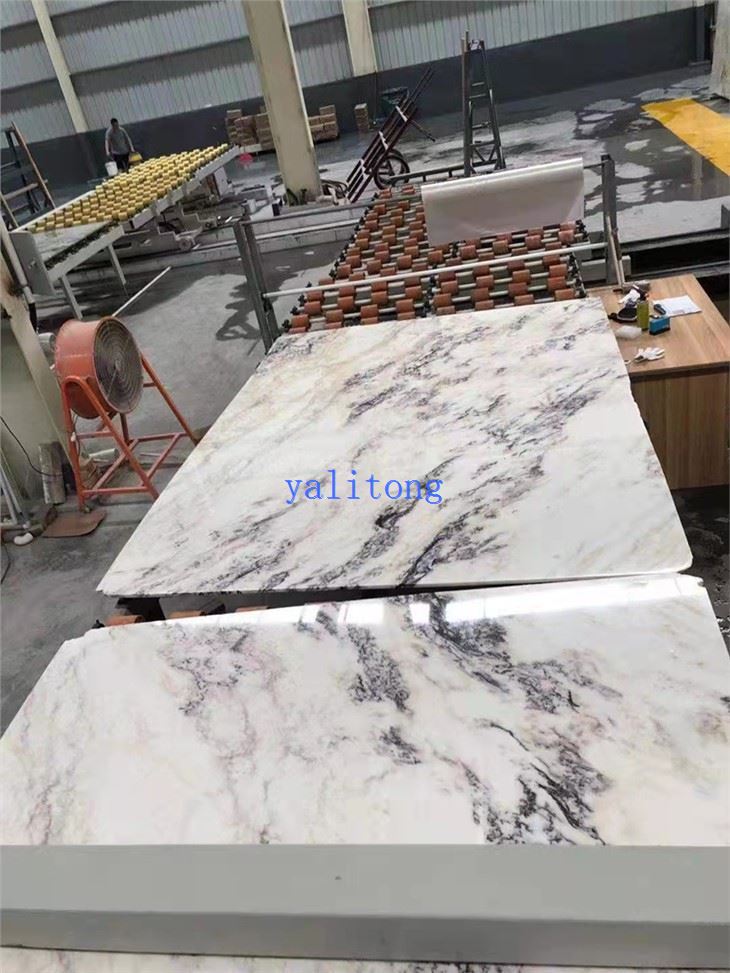
Limestone: Limestone has a warm, natural look that can add a rustic charm to a fountain. It is relatively soft compared to granite and marble, which makes it easier to carve and shape. However, as mentioned earlier, limestone is more porous and may require more frequent sealing to prevent water absorption.
Installation and Maintenance
Proper installation is crucial for the success of a stone slab fountain. It is recommended to hire a professional installer who has experience working with stone. The installer will ensure that the foundation is level and strong enough to support the weight of the fountain. They will also take care to seal the joints between the stone slabs to prevent water leakage.
Maintenance of a stone slab fountain is relatively straightforward but requires regular attention. Cleaning the fountain regularly with a mild detergent and water can help to remove dirt and debris. It is important to avoid using abrasive cleaners or tools, as they can scratch the surface of the stone. Resealing the stone every few years is also necessary to maintain its water - resistance and appearance.
Conclusion
In conclusion, stone slabs can indeed be used for fountains, offering a combination of aesthetic appeal, durability, and heat resistance. However, it is important to carefully consider the weight, porosity, and chemical resistance of the stone before making a selection. By choosing the right stone type and following proper installation and maintenance procedures, you can create a beautiful and long - lasting fountain that will enhance the beauty of your property.
If you are interested in using stone slabs for your fountain project, I invite you to contact me for more information. I can provide you with samples of different stone types, offer advice on the best stone for your specific needs, and assist you in the procurement process. Let's work together to bring your fountain vision to life.
References
- "Stone Masonry Handbook" by John Smith
- "Landscape Design with Natural Stone" by Jane Doe
- Industry reports on stone materials and their applications in construction