

What is the sound insulation of a slab?
Oct 15, 2025
Sound insulation is a crucial consideration in various construction and architectural projects. As a slab supplier, understanding the sound insulation properties of slabs is essential for providing the best products to our clients. In this blog, we will explore what sound insulation of a slab is, how it works, and the factors that affect it.
What is Sound Insulation of a Slab?
Sound insulation refers to the ability of a material or structure to reduce the transmission of sound from one area to another. In the context of slabs, it means how well a slab can prevent sound from passing through it, whether it's airborne sound (such as voices, music) or impact sound (like footsteps or the dropping of objects).
A slab with good sound insulation can create a more comfortable and quiet environment. For instance, in residential buildings, it can prevent noise from neighboring rooms or floors from disturbing the occupants. In commercial buildings, it can help maintain a professional and distraction - free atmosphere.

How Does Sound Insulation of a Slab Work?
Sound is a form of energy that travels in waves. When these sound waves encounter a slab, several things can happen. Part of the sound energy can be reflected back from the surface of the slab. This is similar to how light reflects off a mirror. The amount of reflection depends on the surface properties of the slab, such as its smoothness and density.
Another part of the sound energy can be absorbed by the slab. Different materials have different absorption coefficients. For example, porous materials tend to absorb more sound energy as the sound waves cause the air inside the pores to vibrate, converting the sound energy into heat.
The remaining sound energy that is not reflected or absorbed will be transmitted through the slab. The goal of sound insulation is to minimize this transmitted energy as much as possible.
Factors Affecting the Sound Insulation of a Slab
Material Type
The type of material used for the slab plays a significant role in its sound insulation properties. For example, marble slabs are known for their durability and aesthetic appeal, and they also offer a certain level of sound insulation.
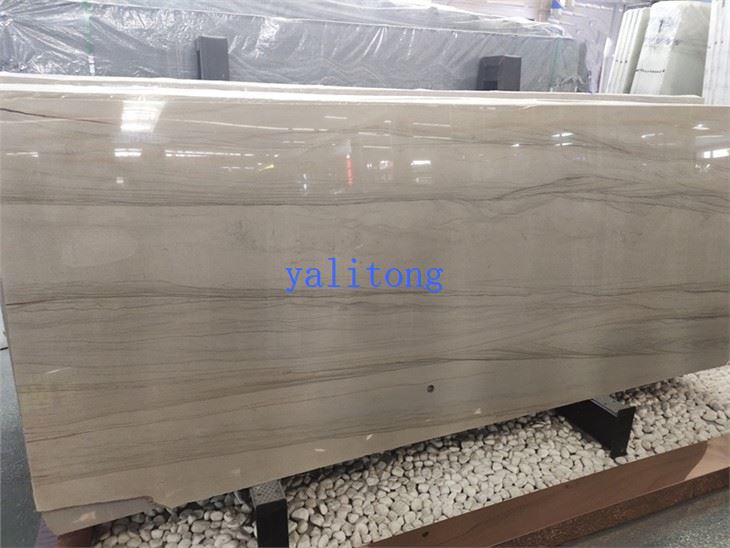
China Violet Marble Slabs are a popular choice. Marble is a dense material, which means it can block a reasonable amount of airborne sound. Its smooth surface also helps in reflecting some of the sound waves. Similarly, Piano Grey Marble Slabs have similar properties. The density of marble reduces the transmission of sound, making it suitable for areas where noise control is important.
Concrete slabs are another common type. Concrete is a heavy and dense material, which generally provides good sound insulation against both airborne and impact sounds. However, the sound insulation performance can vary depending on the mix design, including the type and amount of aggregates used.
Thickness
The thickness of the slab is directly related to its sound insulation ability. Generally, a thicker slab will provide better sound insulation. As the sound waves have to travel through a greater distance in a thicker slab, more energy is absorbed and reflected along the way, resulting in less sound being transmitted. For example, a 6 - inch thick concrete slab will offer better sound insulation than a 4 - inch thick one.
Density
Density is a key factor in sound insulation. Higher - density materials are more effective at blocking sound. This is because the molecules in a dense material are closer together, making it more difficult for sound waves to pass through. For instance, a slab made of a high - density stone like granite will have better sound insulation properties compared to a lower - density material like some types of lightweight concrete.
Installation and Construction
Proper installation and construction techniques are also vital for achieving good sound insulation. Any gaps or cracks in the slab can allow sound to leak through. For example, if the joints between two slabs are not properly sealed, sound can easily travel through these openings. Additionally, the way the slab is supported and connected to other structural elements can affect its sound insulation performance. If there are rigid connections that can transmit vibrations, it can reduce the overall sound insulation of the slab.
Measuring Sound Insulation of a Slab
There are several methods to measure the sound insulation of a slab. One common way is to use the Sound Transmission Class (STC) rating. The STC is a single - number rating that represents the ability of a material or structure to block airborne sound. A higher STC rating indicates better sound insulation. For example, a slab with an STC rating of 50 will provide better sound insulation than one with an STC rating of 40.
Another method is to measure the Impact Insulation Class (IIC). This rating is used to evaluate the ability of a floor slab to reduce impact sound, such as footsteps. Similar to the STC rating, a higher IIC rating means better performance in reducing impact sound.
Applications of Slabs with Good Sound Insulation
Residential Buildings
In homes, slabs with good sound insulation are essential for creating a peaceful living environment. For example, in multi - story houses, a well - insulated slab between floors can prevent noise from the upper floors, such as footsteps or children playing, from disturbing the occupants on the lower floors. In bedrooms and home offices, sound - insulated slabs can help block out external noise, allowing for better rest and concentration.
Commercial Buildings
Commercial buildings, such as offices, hotels, and hospitals, also require good sound insulation. In offices, slabs with high sound insulation can prevent distractions from neighboring workspaces, improving productivity. In hotels, it can ensure that guests have a quiet and comfortable stay. In hospitals, sound - insulated slabs are crucial for maintaining a calm environment for patients' recovery.
Educational Institutions
Schools and universities need slabs with good sound insulation to create a conducive learning environment. Classrooms, libraries, and auditoriums should be well - insulated to prevent noise from outside or adjacent rooms from interfering with teaching and learning activities.
Conclusion
As a slab supplier, we understand the importance of sound insulation in various construction projects. We offer a wide range of slabs, including China Violet Marble Slabs and Piano Grey Marble Slabs, which provide a certain level of sound insulation along with their aesthetic and durability benefits.
If you are looking for slabs with excellent sound insulation properties for your next project, we are here to help. Our team of experts can provide you with detailed information about the sound insulation performance of our products and assist you in choosing the most suitable slabs for your specific needs. Contact us to start a procurement discussion and find the perfect slabs for your project.
References
- Beranek, Leo L. "Acoustics." American Institute of Physics, 1954.
- Craik, R. J. M. "The Handbook of Noise and Vibration Control." E & FN Spon, 1996.
- Fahy, Frank J. "Foundations of Engineering Acoustics." Academic Press, 2001.