Basic Stone Knowledge Analysis
Feb 25, 2021
A Beginner's Guide
Natural stone has been used in architecture and interior design for centuries because of its strength, beauty, and unique textures. Every stone is formed naturally, giving each slab or tile distinctive colors and patterns. Today, natural stone remains a popular material for countertops, flooring, wall cladding, staircases, and custom furniture in both residential and commercial projects.
Common Types of Natural Stone
Different natural stones offer different appearances and performance characteristics.
- Marble – Elegant veining and luxurious appearance, commonly used for countertops, bathrooms, feature walls, and flooring.
- Granite – High hardness and durability, making it suitable for kitchens, outdoor paving, and high-traffic areas.
- Quartzite – Combines the beauty of marble with excellent scratch and heat resistance.
- Travertine – Warm natural texture, widely used for walls, patios, and landscape projects.
- Limestone – Soft, natural appearance that complements modern and classic architectural styles.
How to Choose the Right Natural Stone
Choosing the right stone depends on the application, design style, and maintenance requirements. Consider factors such as hardness, water absorption, surface finish, color consistency, and the environment where the stone will be installed. For large projects, selecting slabs from the same production batch helps create a more consistent appearance.
Common Applications
- Kitchen countertops
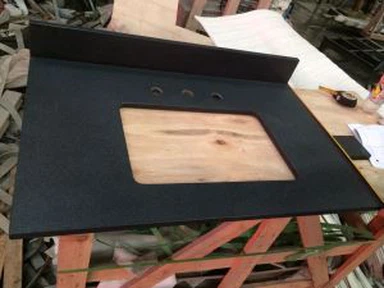
- Bathroom vanity tops
- Flooring
- Wall cladding
- Staircases
- Dining tables and custom furniture
- Hotels, offices, and commercial interiors
Natural stone is valued not only for its beauty but also for its versatility, allowing it to be fabricated into a wide range of architectural and decorative products.
Basic Stone Care Tips
- Clean surfaces regularly using a pH-neutral stone cleaner.
- Wipe up spills promptly to reduce the risk of staining.
- Avoid acidic or abrasive cleaning products.
- Seal porous stones periodically when recommended.
Routine maintenance helps preserve the appearance and extend the service life of natural stone.
Frequently Asked Questions
What is the difference between marble and granite?
Marble is known for its elegant veining, while granite is generally harder and more resistant to scratches and heavy use.
Which natural stone is best for kitchen countertops?
Granite and quartzite are popular choices because of their durability, while marble is preferred for its luxurious appearance.
Does natural stone require sealing?
Many natural stones benefit from periodic sealing to help protect the surface from moisture and staining.
Can natural stone be customized?
Yes. Natural stone can be fabricated into countertops, vanity tops, flooring, wall panels, staircases, tables, and many other custom products.