

What is the hardness of Quartz Tiles?
Sep 03, 2025
Quartz tiles have gained significant popularity in the construction and interior design industries due to their aesthetic appeal, durability, and low maintenance requirements. As a leading quartz tile supplier, I often receive inquiries about the hardness of quartz tiles. In this blog post, I will delve into the concept of hardness in quartz tiles, its importance, and how it impacts the performance and suitability of these tiles for various applications.
Understanding Hardness in Quartz Tiles
Hardness is a fundamental property of materials that refers to their resistance to scratching, abrasion, and indentation. In the context of quartz tiles, hardness is a crucial factor that determines their durability and longevity, especially in high-traffic areas or environments where they are exposed to wear and tear.
The hardness of quartz tiles is primarily attributed to the high percentage of quartz crystals they contain. Quartz is one of the hardest minerals on Earth, scoring 7 on the Mohs scale of mineral hardness. The Mohs scale is a qualitative scale that ranks minerals from 1 (softest) to 10 (hardest), with talc being the softest and diamond being the hardest.
Quartz tiles typically contain between 90% and 95% quartz crystals, which are bound together with a small amount of resin and pigments. This high quartz content gives quartz tiles their exceptional hardness and makes them highly resistant to scratching and abrasion.
Importance of Hardness in Quartz Tiles
The hardness of quartz tiles is important for several reasons:
- Durability: Hard quartz tiles are more resistant to scratching, chipping, and cracking, making them ideal for high-traffic areas such as kitchens, hallways, and commercial spaces. They can withstand the daily wear and tear of foot traffic, furniture movement, and other activities without showing signs of damage.
- Longevity: Due to their high hardness, quartz tiles have a longer lifespan compared to other types of tiles. They can maintain their appearance and functionality for many years, even in harsh environments, reducing the need for frequent replacements.
- Low Maintenance: Hard quartz tiles are easy to clean and maintain. They are resistant to stains, spills, and dirt, and can be easily wiped clean with a damp cloth or mild cleaning solution. This makes them a practical choice for busy households and commercial establishments.
- Aesthetic Appeal: The hardness of quartz tiles also contributes to their aesthetic appeal. They have a smooth, uniform surface that is free from scratches and blemishes, giving them a luxurious and elegant look. Quartz tiles are available in a wide range of colors, patterns, and finishes, allowing you to create a customized look for your space.
Factors Affecting the Hardness of Quartz Tiles
While the high quartz content is the primary factor contributing to the hardness of quartz tiles, several other factors can also affect their hardness:
- Quartz Quality: The quality of the quartz crystals used in the manufacturing process can have a significant impact on the hardness of the tiles. Higher-quality quartz crystals are generally harder and more durable, resulting in tiles with better performance.
- Resin Type and Quantity: The type and quantity of resin used to bind the quartz crystals together can also affect the hardness of the tiles. A high-quality resin that is properly formulated and applied can enhance the hardness and durability of the tiles.
- Manufacturing Process: The manufacturing process used to produce quartz tiles can also influence their hardness. Tiles that are manufactured using advanced techniques and equipment are generally of higher quality and have better hardness properties.
- Tile Thickness: The thickness of the tiles can also affect their hardness. Thicker tiles are generally more durable and resistant to damage than thinner tiles.
Testing the Hardness of Quartz Tiles
There are several methods for testing the hardness of quartz tiles, including:
- Mohs Scale Test: The Mohs scale test is a simple and widely used method for testing the hardness of minerals. In this test, a mineral of known hardness is used to scratch the surface of the quartz tile. If the tile is scratched by the mineral, it is considered to have a lower hardness than the mineral.
- Abrasion Resistance Test: The abrasion resistance test measures the ability of the tile to resist wear and tear caused by friction. In this test, a rotating abrasive wheel is used to rub against the surface of the tile for a specified period of time. The amount of wear and tear on the tile is then measured to determine its abrasion resistance.
- Scratch Resistance Test: The scratch resistance test measures the ability of the tile to resist scratches caused by sharp objects. In this test, a diamond-tipped stylus is used to scratch the surface of the tile with a specified amount of force. The depth and width of the scratch are then measured to determine the tile's scratch resistance.
Applications of Hard Quartz Tiles
Due to their exceptional hardness and durability, quartz tiles are suitable for a wide range of applications, including:
- Kitchens: Quartz tiles are a popular choice for kitchen countertops, backsplashes, and floors. They are resistant to heat, scratches, and stains, making them ideal for use in a busy kitchen environment.
- Bathrooms: Quartz tiles are also commonly used in bathrooms for floors, walls, and shower enclosures. They are waterproof, easy to clean, and resistant to mold and mildew, making them a practical choice for a wet environment.
- Commercial Spaces: Quartz tiles are widely used in commercial spaces such as offices, hotels, restaurants, and retail stores. They can withstand the high traffic and heavy use of these environments, while also providing a stylish and professional look.
- Outdoor Spaces: Some quartz tiles are suitable for outdoor use, such as patios, pool decks, and walkways. They are resistant to weathering, UV rays, and temperature changes, making them a durable and low-maintenance option for outdoor applications.
Our Quartz Tile Offerings
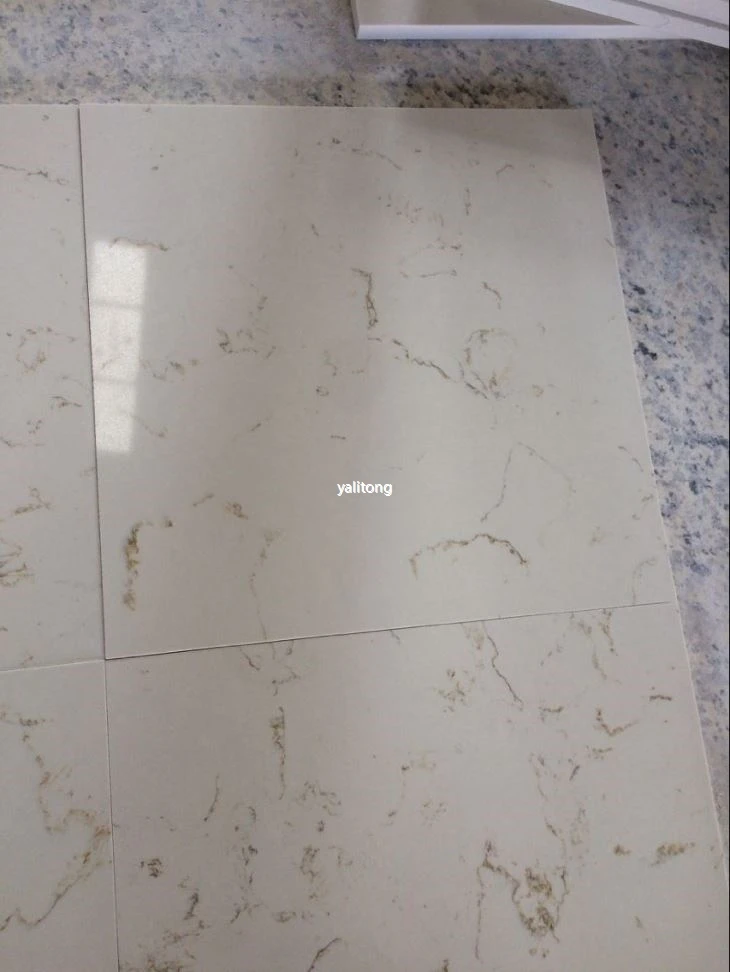
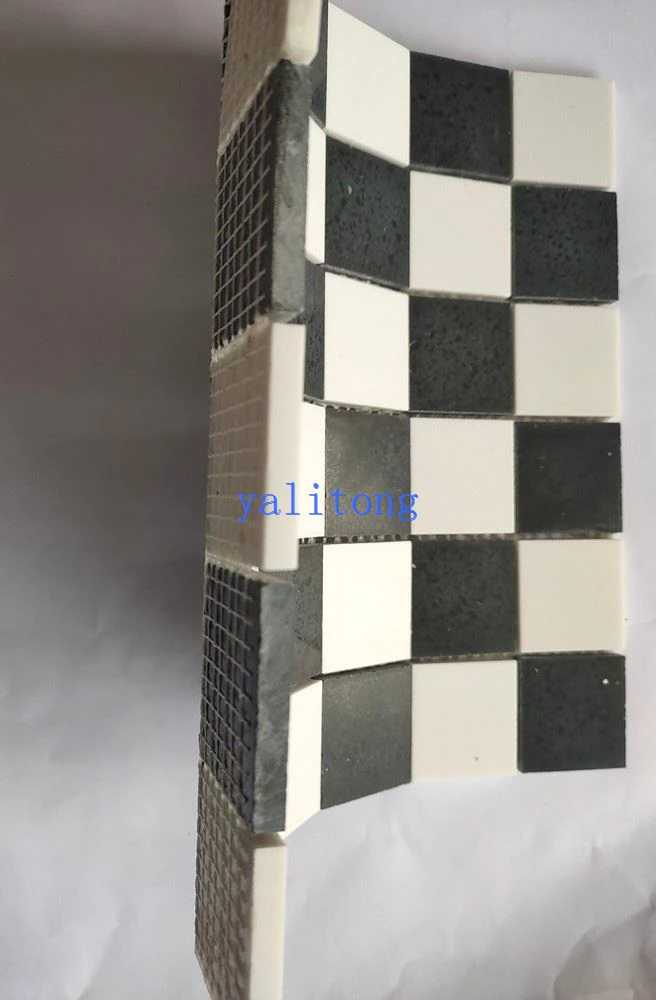
As a quartz tile supplier, we offer a wide range of high-quality quartz tiles that are known for their exceptional hardness and durability. Our product portfolio includes Grey and Black Quartz Flooring Tiles, Counter Top, Fantasy Brown Beige Quartz Tiles, and Black Quartz Mosaic Tiles.
Our quartz tiles are manufactured using the latest technology and highest-quality materials to ensure superior performance and aesthetic appeal. They are available in a variety of sizes, colors, patterns, and finishes, allowing you to find the perfect tiles for your project.
Contact Us for Your Quartz Tile Needs
If you are interested in learning more about the hardness of our quartz tiles or would like to discuss your specific requirements, please do not hesitate to contact us. Our team of experts is always ready to assist you in finding the right quartz tiles for your project and providing you with the best possible service.
We look forward to the opportunity to work with you and help you create a beautiful and durable space with our high-quality quartz tiles.
References
- "Quartz Countertops: Everything You Need to Know." The Spruce.
- "Hardness of Minerals." Geology.com.
- "Testing the Hardness of Stone Tiles." Tile Council of North America.