

What is the environmental impact of granite tile?
Jul 17, 2025
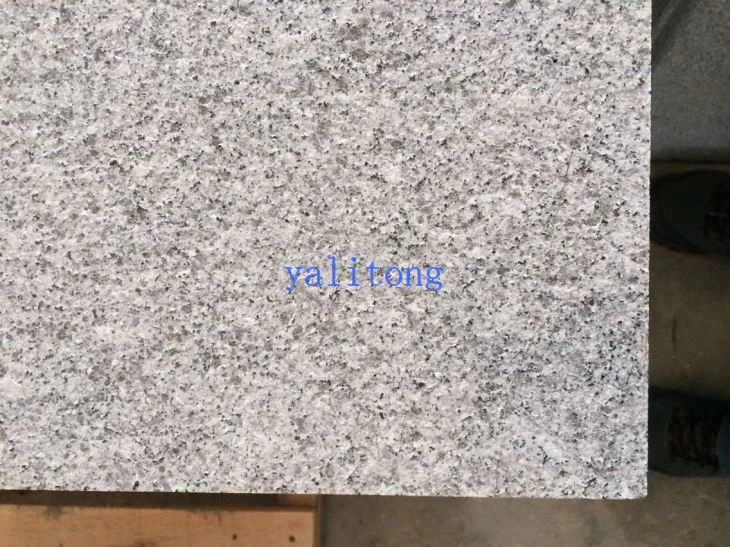
Granite tiles are a popular choice for both residential and commercial spaces due to their durability, aesthetic appeal, and versatility. As a supplier of high-quality granite tiles, including Light Grey Granite Flamed Tiles, Santa Cecilia Medium Polished Granite Tiles, and G603 Light Grey Granite Flamed Tiles, I am often asked about the environmental impact of these products. In this blog post, I will delve into the various aspects of the environmental footprint associated with granite tiles, from extraction to disposal.
Extraction and Mining
The first stage in the lifecycle of granite tiles is the extraction process. Granite is a natural igneous rock that is typically mined from quarries. The mining of granite can have several environmental impacts. One of the most significant issues is habitat destruction. Quarrying operations often require large areas of land to be cleared, which can disrupt local ecosystems and displace wildlife. Trees and vegetation are removed, leading to soil erosion and a loss of biodiversity.
In addition to habitat destruction, the extraction process also consumes a significant amount of energy. Heavy machinery, such as drills, excavators, and trucks, is used to extract and transport the granite from the quarry to the processing facility. This energy consumption contributes to greenhouse gas emissions, which are a major contributor to climate change. Moreover, the use of explosives in the quarrying process can cause air pollution and noise pollution, affecting the health and well-being of nearby communities.
However, it's important to note that many modern quarries are implementing sustainable practices to minimize their environmental impact. For example, some quarries are using advanced technologies to reduce energy consumption and waste generation. They are also reforesting and rehabilitating the land after the mining operations are completed, helping to restore the natural habitat and prevent soil erosion.

Processing and Manufacturing
Once the granite is extracted from the quarry, it is transported to a processing facility where it is cut, polished, and shaped into tiles. The processing and manufacturing of granite tiles also have environmental implications. The cutting and polishing processes require large amounts of water and energy. Water is used to cool the cutting blades and to remove the dust generated during the cutting process. This water can become contaminated with chemicals and heavy metals, which need to be treated before being released back into the environment.
Energy is also consumed during the processing and manufacturing stages. The machinery used to cut, polish, and shape the granite tiles requires electricity, and the transportation of the finished products to the market also contributes to energy consumption and greenhouse gas emissions. Additionally, the production of granite tiles can generate waste materials, such as scrap granite and packaging materials. If not properly managed, these waste materials can end up in landfills, contributing to environmental pollution.
To address these issues, many granite tile manufacturers are adopting sustainable manufacturing practices. They are investing in energy-efficient equipment and technologies to reduce energy consumption and water usage. Some manufacturers are also recycling and reusing the waste materials generated during the production process, turning them into new products or using them as a source of energy.
Transportation
The transportation of granite tiles from the manufacturing facility to the end-user is another stage in the lifecycle that has environmental impacts. Granite tiles are heavy and bulky, which means that they require a significant amount of energy to transport. Trucks, trains, and ships are commonly used to transport the tiles, and the distance traveled can vary depending on the location of the manufacturing facility and the market.
The transportation of granite tiles contributes to greenhouse gas emissions, air pollution, and traffic congestion. The use of fossil fuels in transportation vehicles releases carbon dioxide and other pollutants into the atmosphere, contributing to climate change and poor air quality. Moreover, the transportation of large quantities of granite tiles can put a strain on the transportation infrastructure, leading to increased wear and tear on roads and bridges.
To reduce the environmental impact of transportation, some granite tile suppliers are working with logistics partners to optimize their transportation routes and use more fuel-efficient vehicles. They are also exploring the use of alternative transportation modes, such as rail and water transport, which are generally more energy-efficient than road transport.
Installation and Use
When it comes to the installation and use of granite tiles, there are also environmental considerations. The installation process may require the use of adhesives, sealants, and grouts, which can contain volatile organic compounds (VOCs). These VOCs can be released into the air during the installation process and can have a negative impact on indoor air quality. Prolonged exposure to VOCs can cause health problems, such as headaches, dizziness, and respiratory issues.
However, there are many low-VOC and VOC-free adhesives, sealants, and grouts available on the market today. By choosing these environmentally friendly products, the environmental impact of the installation process can be significantly reduced. Additionally, granite tiles are a long-lasting and durable material, which means that they do not need to be replaced as often as other flooring materials. This can reduce the amount of waste generated over the life cycle of the product.
During the use phase, granite tiles require minimal maintenance. They are resistant to scratches, stains, and moisture, which means that they do not need to be treated with harsh chemicals or cleaning agents. This reduces the use of chemicals and water, contributing to a more sustainable and environmentally friendly lifestyle.
Disposal
At the end of their useful life, granite tiles need to be disposed of. If not properly managed, the disposal of granite tiles can have environmental consequences. Granite tiles are heavy and difficult to break down, which means that they can take up a significant amount of space in landfills. Moreover, if the tiles are not recycled or reused, they represent a waste of natural resources.
However, granite tiles can be recycled and reused in a variety of ways. They can be crushed and used as aggregate in construction projects, such as road building and concrete production. They can also be repurposed into new tiles or other decorative items. By recycling and reusing granite tiles, we can reduce the demand for new granite and minimize the environmental impact of the disposal process.
Conclusion
In conclusion, the environmental impact of granite tiles is a complex issue that involves multiple stages in the product lifecycle, from extraction to disposal. While the extraction, processing, transportation, and disposal of granite tiles can have negative environmental consequences, there are also many opportunities to reduce these impacts through sustainable practices. As a supplier of granite tiles, I am committed to promoting sustainability in the industry. We work closely with our quarries and manufacturers to ensure that they are implementing environmentally friendly practices, and we encourage our customers to choose granite tiles that are produced in a sustainable manner.
If you are interested in purchasing high-quality granite tiles that are both beautiful and environmentally friendly, I invite you to contact us for more information. We offer a wide range of granite tile products, including Light Grey Granite Flamed Tiles, Santa Cecilia Medium Polished Granite Tiles, and G603 Light Grey Granite Flamed Tiles. Our team of experts can help you choose the right tiles for your project and provide you with all the information you need to make an informed decision. Let's work together to create a more sustainable future.
References
- International Union for Conservation of Nature (IUCN). (2023). Guidelines for Sustainable Quarrying.
- United Nations Environment Programme (UNEP). (2022). Sustainable Building and Climate Change: Policy Framework for Action.
- World Business Council for Sustainable Development (WBCSD). (2021). Sustainable Stone: A Guide for the Industry.