

What is the best way to store granite slabs?
Jun 02, 2025
Hey there! As a granite slab supplier, I've dealt with all sorts of granite slabs over the years. One question I get asked a lot is, "What is the best way to store granite slabs?" Well, I'm here to share my insights on this topic based on my hands - on experience.
First off, let's talk about why proper storage is so important. Granite slabs are heavy, expensive, and quite delicate in some ways. If they're not stored correctly, they can get damaged, which means a loss of money for both me as a supplier and for the customers who are looking to buy high - quality granite for their projects.
Choosing the Right Location
The location where you store granite slabs is crucial. You need a place that's dry and well - ventilated. Moisture is the enemy of granite. If the slabs are exposed to too much moisture, they can develop stains, and in extreme cases, the granite can even start to break down.
I usually recommend storing granite slabs indoors. An industrial warehouse is a great option. It provides protection from the elements like rain, snow, and direct sunlight. Sunlight can cause the color of the granite to fade over time, especially for slabs with more vibrant colors.
If you don't have an indoor space available, you can use a covered outdoor area. But make sure it's covered with a waterproof and UV - resistant tarp. The tarp should be secured tightly so that it doesn't flap around in the wind and potentially scratch the slabs.
Stacking the Slabs
When it comes to stacking granite slabs, you need to be really careful. The slabs should be stacked vertically. Stacking them horizontally can put too much pressure on the bottom slabs, which can lead to cracking.
Use a set of sturdy racks to stack the slabs. The racks should be made of a material that won't scratch the granite, like rubber - coated metal. Place a piece of soft padding, such as felt or cardboard, between each slab to prevent scratching.
Make sure the racks are level and stable. Uneven racks can cause the slabs to shift and fall, which is extremely dangerous. Also, don't stack the slabs too high. A good rule of thumb is to stack them no more than six to eight slabs high. This reduces the risk of the stack toppling over.
Handling During Storage
Even when the slabs are in storage, you might need to move them around from time to time. When handling granite slabs, always use proper lifting equipment. A forklift with special granite - handling attachments is ideal. These attachments are designed to grip the slabs securely without causing damage.
If you need to move the slabs manually, make sure you have at least two or three people. Granite slabs are very heavy, and trying to move them alone can lead to serious injuries. Lift the slabs from the edges, using your legs to do the lifting, not your back.

Protecting the Edges
The edges of granite slabs are the most vulnerable parts. They can easily get chipped or cracked if they're not protected. You can use edge protectors made of rubber or plastic. These edge protectors fit snugly around the edges of the slabs and provide a buffer against impacts.
When stacking the slabs, make sure the edges are properly aligned. Misaligned edges can cause uneven pressure on the slabs, which can lead to damage.
Temperature Considerations
Granite is a natural stone, and it can expand and contract with changes in temperature. Extreme temperature changes can cause stress on the slabs, which can lead to cracking.
Try to keep the storage area at a relatively stable temperature. If you're in an area with large temperature fluctuations, you might need to install a heating or cooling system in the storage space. This will help to maintain a consistent temperature and reduce the risk of damage to the slabs.
Monitoring the Storage Area
Regularly check the storage area for any signs of damage or problems. Look for cracks in the slabs, signs of moisture, or any issues with the racks. If you notice any problems, address them immediately.
You can also keep a log of the slabs in storage. This log should include information like the type of granite, the date it was stored, and any special handling instructions. This makes it easier to keep track of the slabs and ensures that you can quickly identify any issues.
Examples of Granite Slabs We Supply
We offer a wide range of granite slabs, each with its own unique characteristics. For instance, our Indian Multicolor Red Granite Gangsaw Slabs are known for their beautiful red and multicolor patterns. These slabs need to be stored with extra care because their vibrant colors can be more easily affected by sunlight and moisture.
Another popular option is our Bala White Granite Slab Original. The white color of these slabs makes them a great choice for modern and minimalist designs. But they're also more prone to showing stains, so proper storage to prevent moisture exposure is essential.
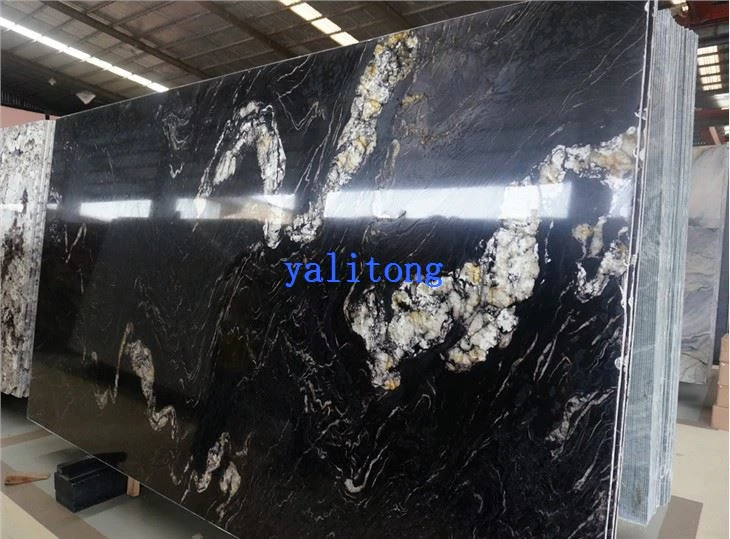
And then there's our Black Cosmic Granite Slab Price. The black color of these slabs is very striking, but it can also absorb more heat from sunlight. So, they should be stored in a cool, shaded area.
Conclusion
Storing granite slabs properly is a combination of choosing the right location, stacking them correctly, handling them with care, protecting the edges, controlling the temperature, and monitoring the storage area. By following these guidelines, you can ensure that your granite slabs stay in top - notch condition until they're ready to be used in a project.
If you're in the market for high - quality granite slabs, I'd love to talk to you. Whether you're a contractor working on a large - scale construction project or a homeowner looking to renovate your kitchen, we have the right granite slabs for you. Reach out to start a conversation about your needs and let's find the perfect granite for your project.
References
- "Granite: A Comprehensive Guide to Natural Stone" by Stone Industry Experts
- "Best Practices for Stone Storage" from the National Stone Association