

What are the advantages of using a slab?
Jul 04, 2025
In the world of construction and interior design, slabs have emerged as a versatile and highly sought-after material. As a dedicated slab supplier, I've witnessed firsthand the numerous advantages that slabs bring to various projects. In this blog, I'll delve into the key benefits of using slabs, drawing on both industry knowledge and real - world experiences.
Aesthetic Appeal
One of the most significant advantages of using slabs is their unparalleled aesthetic appeal. Slabs come in a vast array of colors, patterns, and textures, allowing designers and homeowners to create unique and visually stunning spaces. For instance, Piano Grey Marble Slabs offer a sleek and modern look with their smooth surface and subtle grey tones. The consistent color and pattern of these slabs make them ideal for contemporary kitchens and bathrooms, where a minimalist and sophisticated aesthetic is desired.
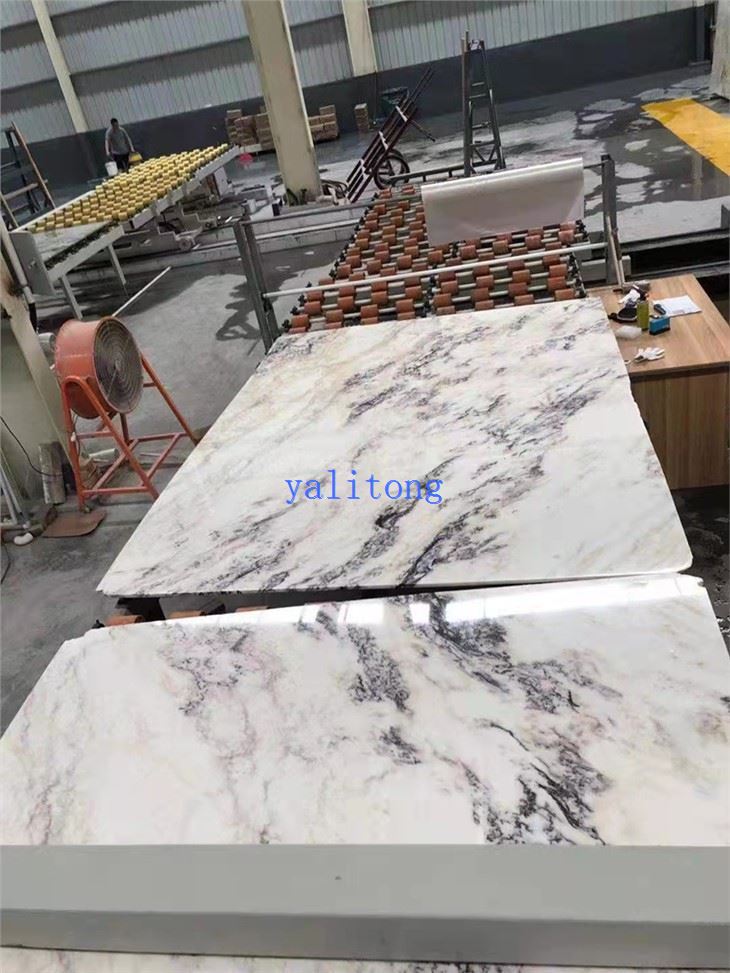
On the other hand, China Violet Marble Slabs bring a touch of luxury and opulence. The deep violet hues and intricate veining patterns of these slabs add a sense of drama and elegance to any space. Whether used as a statement wall in a living room or as a countertop in a high - end restaurant, China Violet Marble Slabs are sure to make a lasting impression.
Durability
Durability is another crucial advantage of using slabs. Many types of slabs, such as granite and marble, are extremely hard and resistant to scratches, stains, and heat. This makes them perfect for high - traffic areas and surfaces that are subject to frequent use. For example, in a commercial kitchen, a granite slab countertop can withstand the daily wear and tear of chopping, cooking, and cleaning without showing significant signs of damage.
Marble slabs, although slightly more porous than granite, can also be highly durable when properly sealed. With regular maintenance, marble slabs can last for decades, making them a long - term investment for any project. Their ability to retain their beauty and functionality over time is a major selling point for both residential and commercial clients.
Versatility in Application
Slabs offer remarkable versatility in terms of application. They can be used in a wide range of projects, from flooring and countertops to wall cladding and decorative elements. In residential settings, slabs can transform a simple bathroom into a spa - like retreat. A large marble slab used as a shower wall creates a seamless and luxurious look, while a granite slab countertop in the kitchen provides a practical and stylish workspace.

In commercial buildings, slabs are often used to create a grand and inviting entrance. Large slabs of stone used for flooring and wall cladding can give a building a sense of permanence and prestige. Additionally, slabs can be cut and shaped into various forms, allowing for creative and custom - designed installations. For example, curved slabs can be used to create unique architectural features, such as columns or arches.
Easy Maintenance
Maintaining slabs is relatively easy, which is a significant advantage for busy homeowners and commercial property managers. Most slabs only require regular cleaning with mild soap and water to keep them looking their best. For granite slabs, a periodic application of a sealant can help protect the surface from stains and moisture.
Marble slabs may require a bit more care, as they are more susceptible to etching from acidic substances. However, with proper cleaning products and techniques, marble slabs can maintain their shine and luster. Regular dusting and mopping can prevent the accumulation of dirt and debris, which can scratch the surface over time.
Hygiene
In today's world, hygiene is of utmost importance. Slabs are a hygienic choice for many applications, especially in kitchens and bathrooms. Non - porous slabs, such as quartz, do not allow bacteria and germs to penetrate the surface, making them easy to clean and sanitize. This is particularly important in food - preparation areas, where maintaining a clean and healthy environment is crucial.
Even porous slabs like marble can be kept hygienic with proper sealing. Sealed marble slabs prevent the absorption of liquids and contaminants, reducing the risk of bacteria growth. This makes slabs a safe and reliable choice for both residential and commercial settings.
Environmental Friendliness
Many slabs are environmentally friendly materials. Natural stone slabs, such as granite and marble, are quarried from the earth and are a renewable resource. The production process of these slabs has a relatively low carbon footprint compared to some synthetic materials. Additionally, because slabs are durable and long - lasting, they reduce the need for frequent replacements, which in turn reduces waste.
Quartz slabs are also an eco - friendly option. They are made from a combination of natural quartz crystals and resins, and many manufacturers use recycled materials in the production process. This helps to conserve natural resources and reduce the environmental impact of construction projects.
Cost - Effectiveness in the Long Run
Although the initial cost of slabs may be higher than some other materials, they are cost - effective in the long run. Their durability means that they do not need to be replaced frequently, which can save money on replacement costs over time. Additionally, the aesthetic appeal of slabs can increase the value of a property. A home or commercial building with high - quality slab installations is likely to attract more potential buyers or tenants, which can result in a higher resale or rental value.
Customization
Slabs offer a high degree of customization. They can be cut to specific sizes and shapes to fit the exact requirements of a project. This allows designers and architects to create unique and personalized spaces. Whether it's a custom - shaped countertop for a small kitchen or a large, irregularly shaped wall cladding for a commercial building, slabs can be tailored to meet the design vision.
Thermal Properties
Some slabs, such as marble, have excellent thermal properties. They can absorb and release heat slowly, which can help regulate the temperature in a room. In hot climates, marble floors can feel cool underfoot, providing a natural way to stay comfortable. In colder climates, slabs can retain heat, making them a good choice for radiant heating systems.
In conclusion, the advantages of using slabs are numerous and far - reaching. From their aesthetic appeal and durability to their versatility and environmental friendliness, slabs are an excellent choice for a wide range of construction and interior design projects. As a slab supplier, I'm passionate about providing high - quality slabs that meet the diverse needs of my clients. If you're considering using slabs in your next project, I encourage you to reach out to discuss your specific requirements. Whether you're a homeowner looking to upgrade your kitchen or a commercial developer planning a large - scale project, I can help you find the perfect slabs for your needs.
References
- Stone Industry Handbook: A comprehensive guide to natural stone materials and their applications.
- Journal of Construction and Building Materials: Research articles on the performance and properties of various slab materials.
- Interior Design Magazine: Case studies and design inspiration featuring slab installations.