

Is vinyl flooring good for a rental property?
Sep 04, 2025
Vinyl flooring has become a popular choice in the flooring market, and it's especially relevant when considering rental properties. As a flooring supplier, I've seen firsthand the trends and preferences of landlords and property managers. In this blog, I'll explore whether vinyl flooring is a good option for rental properties, weighing its pros and cons to help you make an informed decision.

Advantages of Vinyl Flooring for Rental Properties
1. Cost - Effectiveness
One of the most significant advantages of vinyl flooring for rental properties is its cost - effectiveness. Compared to other flooring materials such as hardwood, marble, or high - end tile, vinyl flooring is relatively inexpensive. This is a huge plus for landlords who are looking to keep their initial investment low. For example, when renovating multiple units in a rental complex, the cost savings can be substantial. You can cover a large area with vinyl flooring at a fraction of the cost of other materials. This allows landlords to allocate their budget to other important aspects of property management, such as maintenance and tenant acquisition.
2. Durability
Vinyl flooring is known for its durability. It can withstand a fair amount of wear and tear, which is crucial in a rental property where multiple tenants may come and go over time. High - quality vinyl flooring has a wear layer that protects it from scratches, scuffs, and stains. This means that it can maintain its appearance even in high - traffic areas like hallways, living rooms, and kitchens. For instance, in a family - friendly rental property, vinyl flooring can resist the impact of children running around and furniture being moved, ensuring that it looks presentable for new tenants.
3. Water Resistance
Another great benefit of vinyl flooring is its water resistance. In areas prone to moisture, such as bathrooms, kitchens, and basements, vinyl flooring is an excellent choice. Unlike hardwood, which can warp and rot when exposed to water, vinyl can handle spills and splashes without significant damage. This makes it ideal for rental properties where tenants may not always be as careful with water usage. For example, if a tenant accidentally leaves a faucet running in the bathroom, the vinyl flooring will not be ruined, saving the landlord from costly repairs.
4. Easy Installation and Maintenance
Vinyl flooring is relatively easy to install, which can save time and labor costs during the renovation process. Many types of vinyl flooring come in plank or tile form and can be installed using a floating floor method, which means that no adhesive is required in some cases. This makes it a DIY - friendly option for landlords who want to save on installation costs. Additionally, maintenance is a breeze. Regular sweeping and mopping are usually sufficient to keep vinyl flooring clean. There's no need for special cleaning products or treatments, which is convenient for both landlords and tenants.
5. Aesthetic Variety
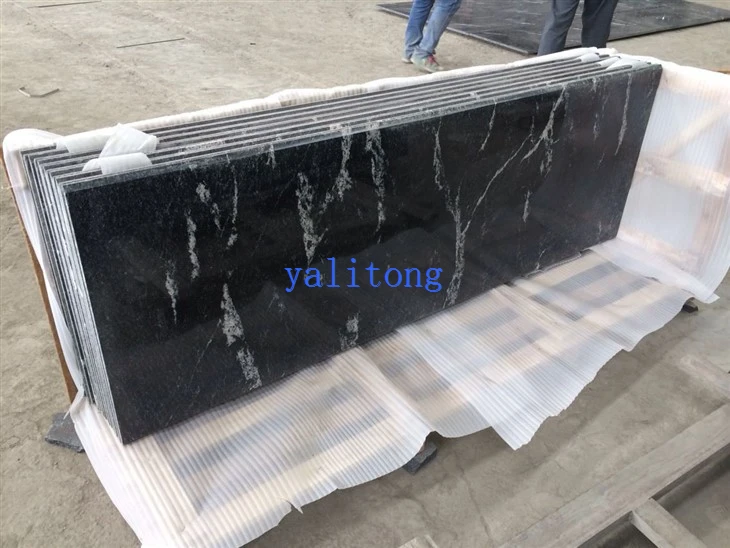
Vinyl flooring offers a wide range of aesthetic options. It can mimic the look of natural materials such as hardwood, stone, or tile at a much lower cost. For example, you can find vinyl planks that look just like oak or maple hardwood, or vinyl tiles that resemble Ash Black Granite, Amarillo Santa Cecilia Granite Calibrated Tiles, or Kinawa Grey Granite. This allows landlords to choose a flooring style that matches the overall design of the rental property, making it more attractive to potential tenants.
Disadvantages of Vinyl Flooring for Rental Properties
1. Perceived Lower Quality
Some tenants may perceive vinyl flooring as a lower - quality option compared to hardwood or natural stone. This can be a drawback, especially in high - end rental markets where tenants expect a certain level of luxury. In such cases, landlords may find it more challenging to attract tenants who are willing to pay a premium rent for a property with vinyl flooring.
2. Limited Lifespan
While vinyl flooring is durable, it does have a limited lifespan compared to some other flooring materials. Over time, the wear layer may start to show signs of damage, and the color may fade. In a rental property with a high turnover rate, landlords may need to replace the vinyl flooring more frequently than they would with hardwood or tile, which can add to the long - term costs.
3. Environmental Concerns
Vinyl flooring is made from polyvinyl chloride (PVC), which has raised some environmental concerns. PVC production involves the use of chemicals that can be harmful to the environment and human health. Additionally, vinyl flooring is not biodegradable, which means that it can contribute to landfill waste when it reaches the end of its life. Some environmentally - conscious tenants may be hesitant to rent a property with vinyl flooring for this reason.
Considerations for Landlords
1. Tenant Demographics
When deciding whether to use vinyl flooring in a rental property, landlords should consider the demographics of their target tenants. For example, if the property is located in a college town and is likely to be rented by students, vinyl flooring may be a practical choice due to its affordability and durability. On the other hand, if the property is in an upscale neighborhood and targets professional tenants, a more high - end flooring option may be necessary to attract and retain them.
2. Property Location and Use
The location and use of the rental property also play a role in the flooring decision. If the property is in a coastal area where humidity is high, the water - resistant properties of vinyl flooring make it a good choice. Similarly, if the property is a commercial rental space with high foot traffic, vinyl's durability can be an asset.
3. Budget and Long - Term Costs
Landlords need to balance the initial cost of vinyl flooring with the long - term costs. While vinyl is inexpensive upfront, the need for more frequent replacement may offset the savings in the long run. It's important to calculate the total cost of ownership over the expected lifespan of the flooring to make an informed decision.
Conclusion
In conclusion, vinyl flooring has both advantages and disadvantages when it comes to rental properties. Its cost - effectiveness, durability, water resistance, easy installation and maintenance, and aesthetic variety make it a strong candidate for many rental situations. However, the perceived lower quality, limited lifespan, and environmental concerns are factors that landlords need to consider.
As a flooring supplier, I can offer a wide range of vinyl flooring options that can meet the specific needs of your rental property. Whether you're looking for a budget - friendly solution or a flooring style that mimics high - end materials, I'm here to help. If you're interested in discussing your flooring needs for your rental property, please feel free to reach out. I'd be more than happy to assist you in making the right flooring choice and guide you through the procurement process.
References
- Armstrong Flooring. (2023). Vinyl Flooring Guide. Armstrong Flooring Inc.
- Mohawk Industries. (2023). The Benefits of Vinyl Flooring in Rental Properties. Mohawk Industries Inc.