

How to deal with mold on Quartz Tiles?
Dec 18, 2025
Hey there! As a quartz tile supplier, I've seen my fair share of issues with these beautiful tiles, and one of the most common problems that homeowners and businesses face is mold on quartz tiles. Mold not only looks unsightly but can also pose health risks, especially for those with allergies or respiratory problems. So, in this blog, I'm gonna share some tips on how to deal with mold on quartz tiles.
Understanding Why Mold Grows on Quartz Tiles
First things first, let's understand why mold loves to grow on quartz tiles. Quartz tiles are often used in areas with high humidity, like bathrooms, kitchens, and basements. Mold thrives in moist, warm, and dark environments, and these areas provide the perfect conditions for it to grow. Even a small amount of moisture left on the tiles for an extended period can lead to mold growth.
Another reason could be poor ventilation. If the air in the room doesn't circulate well, moisture gets trapped, creating a breeding ground for mold. Also, if there are any leaks in the plumbing or roofing, water can seep through and cause mold to develop on the tiles.
Identifying Mold on Quartz Tiles
Before you start treating the mold, you need to make sure it's actually mold. Mold usually appears as black, green, or brown spots on the tiles. It can be fuzzy or slimy in texture. Sometimes, it might also have a musty odor. If you're not sure whether it's mold or just dirt, you can try wiping it with a damp cloth. If it doesn't come off easily, it's likely mold.
Preventing Mold Growth on Quartz Tiles
The best way to deal with mold is to prevent it from growing in the first place. Here are some preventive measures you can take:
- Keep the Area Dry: After using the bathroom or kitchen, dry the tiles with a towel. This will remove any excess moisture and prevent mold from growing. You can also use a squeegee to quickly remove water from the tiles after a shower.
- Improve Ventilation: Make sure the room has proper ventilation. Use exhaust fans in the bathroom and kitchen to remove moisture from the air. You can also open windows to let fresh air in. If possible, install a dehumidifier in areas with high humidity.
- Fix Leaks Immediately: If you notice any leaks in the plumbing or roofing, get them fixed as soon as possible. Water can seep through and cause mold to grow on the tiles.
- Regular Cleaning: Clean the quartz tiles regularly with a mild cleaner. This will remove any dirt and grime that could provide a food source for mold. Avoid using abrasive cleaners that can damage the tiles.
Removing Mold from Quartz Tiles
If you already have mold on your quartz tiles, don't worry. There are several ways to remove it. Here are some effective methods:
Using Vinegar
Vinegar is a natural and effective mold killer. It's also safe to use on quartz tiles. Here's how you can use it:
- Mix the Solution: Mix equal parts of white vinegar and water in a spray bottle.
- Spray the Tiles: Spray the solution on the moldy areas of the tiles. Make sure to cover the entire area.
- Let it Sit: Let the solution sit on the tiles for about 15 - 20 minutes. This will give the vinegar time to kill the mold.
- Scrub the Tiles: Use a soft-bristled brush to scrub the tiles gently. The mold should start to come off.
- Rinse the Tiles: Rinse the tiles with clean water to remove any remaining vinegar and mold.
- Dry the Tiles: Dry the tiles with a towel to prevent any further mold growth.
Using Baking Soda
Baking soda is another natural and safe option for removing mold from quartz tiles. It can also help to deodorize the area. Here's how to use it:
- Make a Paste: Mix baking soda with a little water to make a thick paste.
- Apply the Paste: Apply the paste to the moldy areas of the tiles. Use a brush to spread it evenly.
- Let it Dry: Let the paste dry on the tiles for about 10 - 15 minutes.
- Scrub the Tiles: Use a soft-bristled brush to scrub the tiles gently. The baking soda will help to loosen the mold.
- Rinse the Tiles: Rinse the tiles with clean water to remove the baking soda and mold.
- Dry the Tiles: Dry the tiles with a towel.
Using Commercial Mold Cleaners
If the natural methods don't work, you can use a commercial mold cleaner. Make sure to choose a cleaner that is safe for use on quartz tiles. Read the instructions carefully before using it. Here's how to use a commercial mold cleaner:
- Ventilate the Area: Open windows and doors to let fresh air in. This will help to reduce the fumes from the cleaner.
- Apply the Cleaner: Apply the cleaner to the moldy areas of the tiles according to the instructions on the label.
- Let it Sit: Let the cleaner sit on the tiles for the recommended amount of time.
- Scrub the Tiles: Use a soft-bristled brush to scrub the tiles gently.
- Rinse the Tiles: Rinse the tiles thoroughly with clean water to remove the cleaner and mold.
- Dry the Tiles: Dry the tiles with a towel.
Choosing the Right Quartz Tiles to Minimize Mold Risk
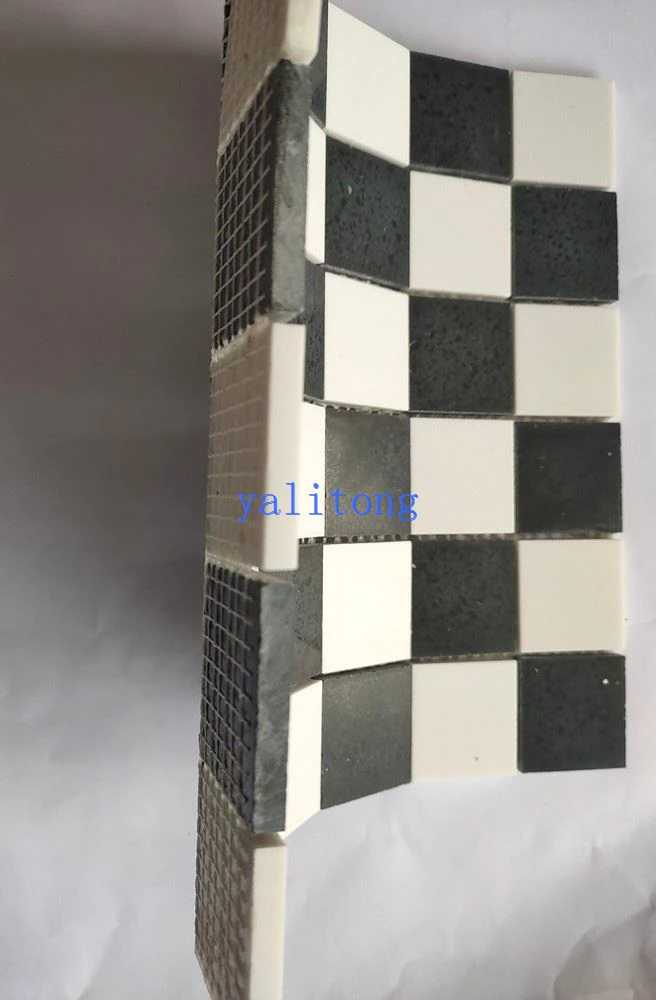
When it comes to preventing mold, choosing the right quartz tiles can make a big difference. At our supply, we offer a variety of high - quality quartz tiles that are less prone to mold growth. For example, our Black Quartz Mosaic Tiles are not only stylish but also have a smooth surface that is easy to clean. The smooth surface doesn't allow dirt and moisture to accumulate, reducing the risk of mold growth.
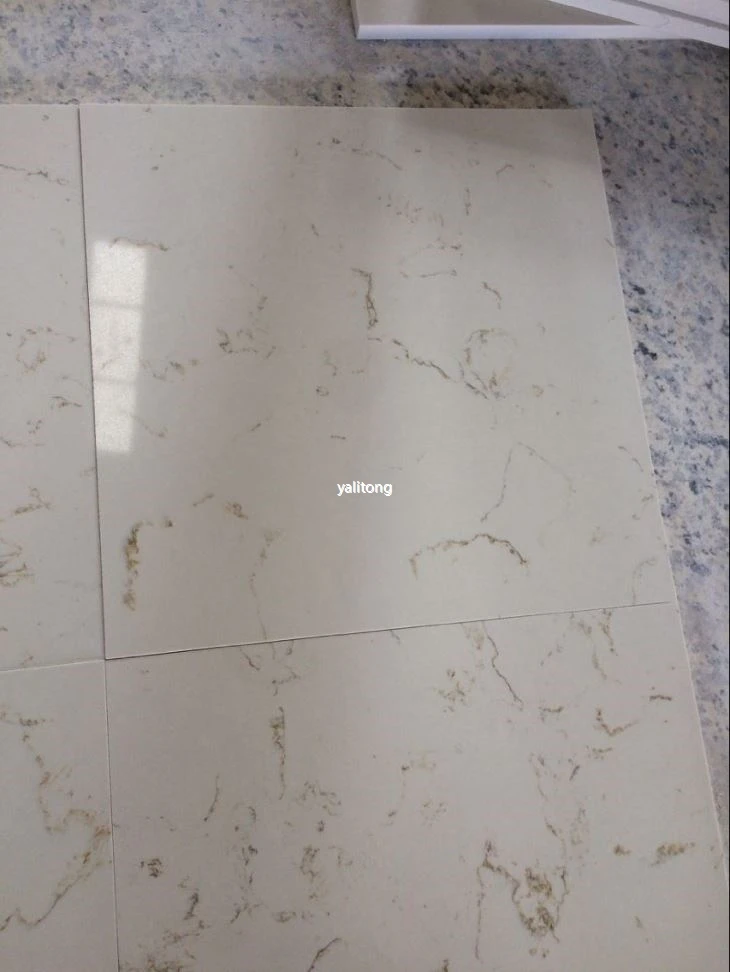
Our Fantasy Brown Beige Quartz Tiles are another great option. They are made with high - quality materials that are resistant to moisture and mold. And if you're looking for a classic look, our White Quartz Floor Tile is a perfect choice. It's durable and easy to maintain, which helps in keeping mold at bay.
When to Call a Professional
If the mold problem is severe or if you're not sure how to handle it, it's best to call a professional. A professional mold remediation company has the experience and equipment to remove the mold safely and effectively. They can also identify the source of the mold and help you prevent it from coming back.
Conclusion
Dealing with mold on quartz tiles can be a hassle, but with the right preventive measures and treatment methods, you can keep your tiles looking clean and mold - free. Remember to keep the area dry, improve ventilation, and clean the tiles regularly. If you do encounter mold, try the natural methods first, and if they don't work, use a commercial cleaner or call a professional.
If you're in the market for high - quality quartz tiles that are resistant to mold and easy to maintain, we'd love to hear from you. Whether you're a homeowner looking to renovate your bathroom or a contractor working on a large project, we can provide you with the perfect quartz tiles for your needs. Reach out to us to start the procurement process and discuss your requirements.
References
- "Mold Prevention Tips." Environmental Protection Agency.
- "Cleaning and Maintaining Quartz Surfaces." Stone Industry Association.