

How to cut a stone slab?
May 21, 2025
Cutting a stone slab is a meticulous process that requires a combination of knowledge, skill, and the right tools. As a seasoned stone slab supplier, I've witnessed firsthand the importance of proper cutting techniques in achieving high - quality results. In this blog, I'll guide you through the step - by - step process of cutting a stone slab, from understanding the material to the final finishing touches.
Understanding the Stone Slab
Before you start cutting, it's crucial to understand the type of stone you're working with. Different stones have different properties, such as hardness, porosity, and grain structure, which can significantly affect the cutting process.
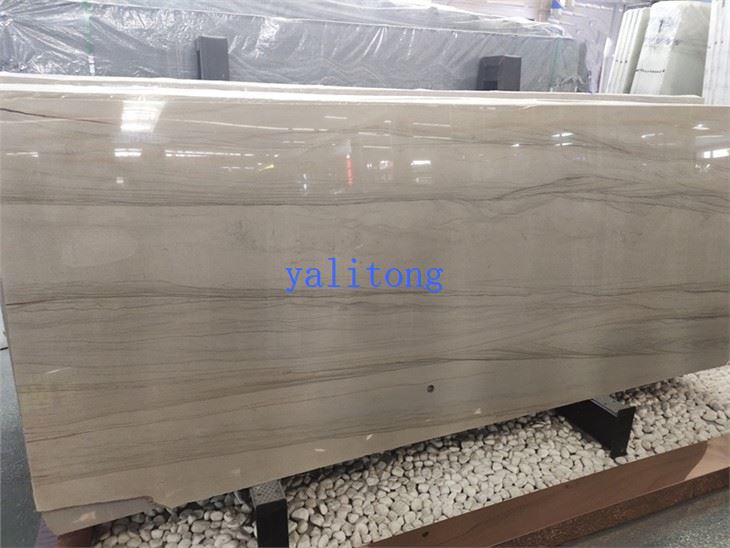
For instance, marble is a relatively soft and porous stone. [Piano Grey Marble Slabs](/stone - slab/piano - grey - marble - slabs.html) are known for their elegant appearance, but they require careful handling during cutting to avoid chipping. On the other hand, granite is a harder and more durable stone. It can withstand more force during cutting, but it also requires more powerful tools. Another example is [China Violet Marble Slabs](/stone - slab/china - violet - marble - slabs.html), which have a unique color and pattern. Their cutting process should take into account the stone's specific characteristics to preserve its aesthetic value.
Preparing the Workspace
A well - prepared workspace is essential for a safe and efficient cutting process. First, choose a flat and stable surface to place the stone slab. This could be a workbench or a large, sturdy table. Make sure the surface is clean and free of any debris that could scratch the stone.
Next, gather all the necessary tools. You'll need a diamond - tipped saw blade, as diamonds are the hardest substance and can effectively cut through stone. Other tools include a measuring tape, a straightedge, a marker, safety goggles, ear protection, and a dust mask. Safety should always be your top priority, so ensure you're wearing all the appropriate protective gear.
Measuring and Marking the Stone
Accurate measurement and marking are key to achieving the desired cut. Use a measuring tape to determine the dimensions of the cut you need. Mark the cutting line on the stone using a straightedge and a marker. Make sure the line is straight and clearly visible.
If you're making a complex cut, such as a curve or an angle, you may need to use a template. You can create a template out of cardboard or wood and trace it onto the stone. Double - check your measurements and markings to avoid any mistakes before you start cutting.
Choosing the Right Cutting Method
There are several methods for cutting stone slabs, and the choice depends on the type of stone, the thickness of the slab, and the complexity of the cut.
Wet Cutting
Wet cutting is the most common method for cutting stone slabs. It involves using a saw with a water - cooling system. The water helps to cool the saw blade, reducing friction and preventing the blade from overheating. It also helps to suppress dust, which is a major health hazard when cutting stone.
To perform wet cutting, first, fill the water reservoir of the saw according to the manufacturer's instructions. Then, position the saw blade on the marked cutting line. Start the saw and slowly guide it along the line, applying gentle and even pressure. Let the saw do the work, and avoid forcing it through the stone.
Dry Cutting
Dry cutting is less common but can be used for thinner stone slabs or in situations where water is not available. However, dry cutting generates a lot of dust, so it's important to use a dust collection system. The saw blades used for dry cutting are designed to dissipate heat more effectively without the need for water cooling.
When dry cutting, follow the same basic steps as wet cutting. Mark the cutting line, position the saw blade, and start the saw. Move the saw slowly and steadily along the line, being careful not to overheat the blade.
Cutting the Stone
Once you've chosen the cutting method, it's time to start cutting the stone. If you're using a wet saw, make sure the water is flowing properly before you start the saw. Position the saw blade at the beginning of the marked cutting line and turn on the saw.
As you start cutting, keep the saw blade perpendicular to the stone surface. Apply gentle and consistent pressure, and let the saw blade do the work. Don't rush the process; cutting stone takes time. If you encounter any resistance or hear unusual noises, stop the saw immediately and check for any problems.
For complex cuts, such as curves or angles, you may need to make multiple passes. Start with a shallow cut and gradually deepen it with each pass. This will help to prevent the stone from cracking or chipping.
Finishing the Cut
After you've completed the cut, you'll need to finish the edges of the stone slab. This can be done using a variety of tools, such as a grinder or a sanding block.

If you want a smooth edge, start with a coarse - grit grinder or sandpaper and gradually work your way up to a finer grit. This will help to remove any rough edges and give the stone a polished look. You can also use a polishing compound to further enhance the shine of the stone.
Quality Control
Once the cutting and finishing are complete, it's important to perform a quality control check. Inspect the cut edges for any cracks, chips, or unevenness. Measure the dimensions of the cut piece to ensure they match the specifications.
If you find any issues, you may need to make some adjustments. For minor chips or rough edges, you can use a stone filler or do some additional sanding. For more significant problems, you may need to recut the stone.
Conclusion
Cutting a stone slab is a complex but rewarding process. By understanding the properties of the stone, preparing the workspace, choosing the right cutting method, and following the proper techniques, you can achieve high - quality results.
As a stone slab supplier, I'm committed to providing you with the best - quality stone slabs and the knowledge to work with them. If you're interested in purchasing [Piano Grey Marble Slabs](/stone - slab/piano - grey - marble - slabs.html) or [China Violet Marble Slabs](/stone - slab/china - violet - marble - slabs.html), or if you have any questions about cutting stone slabs, please don't hesitate to contact me for further procurement discussions.
References
- "Stone Cutting Handbook" - A comprehensive guide on cutting different types of stones.
- Manufacturer's manuals for stone cutting tools and equipment.