

How do Quartz Tiles compare to ceramic tiles?
Aug 15, 2025
Hey there! As a quartz tile supplier, I get asked all the time about how quartz tiles stack up against ceramic tiles. It's a great question, and one that I'm more than happy to dive into. So, let's break it down and see what each type of tile has to offer.

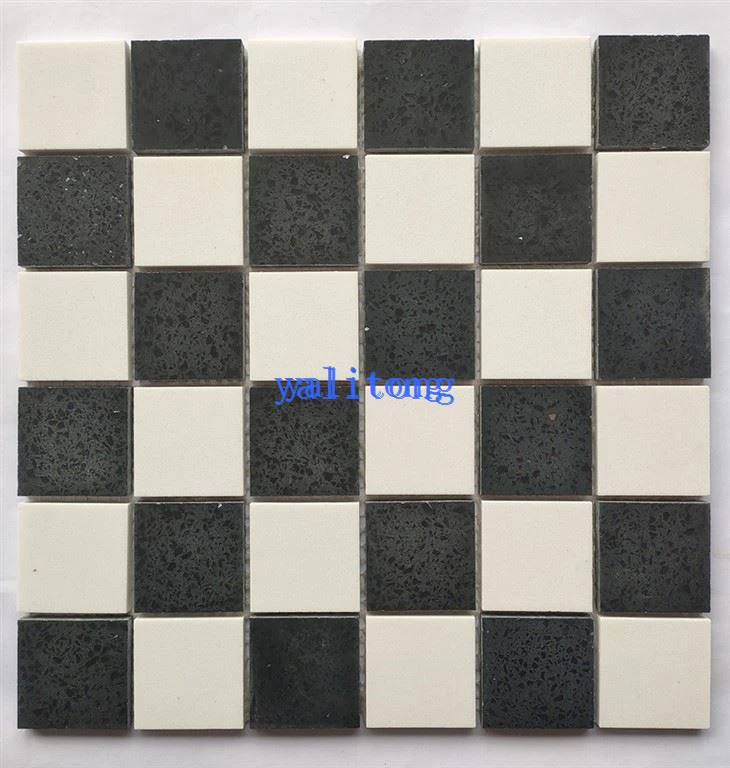
Durability
First off, let's talk durability. Quartz tiles are incredibly tough. They're made from crushed quartz, which is one of the hardest minerals on Earth. This means they're highly resistant to scratches, chips, and stains. Whether you're using them in a high - traffic area like a kitchen or a hallway, quartz tiles can take a beating.
On the other hand, ceramic tiles are also pretty durable, but they're not quite as tough as quartz. Ceramic tiles are made from clay that's fired at high temperatures. While they can handle normal wear and tear, they're more prone to chipping and scratching compared to quartz. If you have kids or pets running around, or if you're a bit clumsy in the kitchen, quartz tiles might be the better choice for you.
Appearance
When it comes to looks, both quartz and ceramic tiles have a lot to offer. Quartz tiles come in a wide range of colors and patterns. You can find everything from natural stone - like looks to bold and modern designs. The color and pattern are consistent throughout the tile, so you don't have to worry about surface wear revealing a different color underneath.
For example, our Grey Quartz Wall Tiles have a sleek and contemporary look that can really elevate the style of any room. The grey color is versatile and can match with a variety of decor styles.
Ceramic tiles also offer a vast selection of colors and designs. They can mimic the look of natural stone, wood, or even fabric. However, the surface of ceramic tiles is often glazed, and over time, this glaze can wear off, especially in high - traffic areas. Quartz tiles maintain their appearance for much longer, giving you a long - lasting beautiful look.
Maintenance
Maintenance is another important factor to consider. Quartz tiles are super easy to clean. Since they're non - porous, they don't absorb liquids or stains easily. A simple wipe with a damp cloth and some mild detergent is usually all you need to keep them looking great.
Ceramic tiles, while not too difficult to clean, do require a bit more attention. The grout between ceramic tiles can be a breeding ground for dirt, mold, and mildew. You need to clean the grout regularly to prevent it from looking dirty and discolored. With quartz tiles, the grout is also less likely to stain because the tiles themselves don't allow liquids to seep through.
Cost
Cost is always a consideration when choosing tiles for your project. Generally, quartz tiles tend to be more expensive than ceramic tiles. The manufacturing process of quartz tiles is more complex, and the raw materials are of higher quality, which drives up the price.
However, when you factor in the long - term durability and low maintenance of quartz tiles, they can actually be a more cost - effective option in the long run. You won't have to replace them as often as you might with ceramic tiles, and you'll save on cleaning products and maintenance time.
Slip Resistance
Slip resistance is crucial, especially in areas like bathrooms and kitchens. Quartz tiles can have good slip - resistant properties, especially if they have a textured finish. However, not all quartz tiles are created equal in this regard, so it's important to choose the right type for the area you're tiling.
Ceramic tiles also come in slip - resistant options. There are special anti - slip glazes that can be applied to ceramic tiles to make them safer to walk on. But again, over time, the glaze can wear off, reducing the slip resistance.
Installation
Installation of both quartz and ceramic tiles requires some skill. However, quartz tiles are generally heavier than ceramic tiles, which can make them a bit more challenging to install. You need to make sure the surface you're installing them on is strong enough to support the weight.
Ceramic tiles are lighter and easier to handle during installation. They're also more forgiving when it comes to small irregularities in the installation surface. But regardless of which type of tile you choose, it's always a good idea to hire a professional installer to ensure a proper and long - lasting installation.
Versatility
Quartz tiles are extremely versatile. They can be used for both indoor and outdoor applications. You can use them on floors, walls, backsplashes, and even as countertops. Our White Quartz Floor Tile is a great option for a modern and clean - looking floor. It's durable enough to withstand foot traffic and can add a touch of elegance to any space.
Ceramic tiles are also versatile but are more commonly used for indoor applications. While some ceramic tiles can be used outdoors, they may not be as resistant to weather conditions as quartz tiles.
Design Flexibility
Quartz tiles offer a high level of design flexibility. They can be cut into different shapes and sizes, allowing for unique and creative designs. You can create intricate patterns and layouts with quartz tiles to make your space truly one - of - a - kind.
Our Black Quartz Mosaic Tiles are perfect for adding a touch of luxury and style to your project. They can be used to create stunning accent walls or backsplashes.
Ceramic tiles also offer design flexibility, but the range of shapes and sizes might be a bit more limited compared to quartz tiles.
In conclusion, both quartz and ceramic tiles have their pros and cons. If you're looking for a durable, low - maintenance, and long - lasting tile with a wide range of design options, quartz tiles are a great choice. However, if you're on a tight budget and don't mind a bit more maintenance, ceramic tiles can still give you a beautiful and functional result.
If you're interested in learning more about our quartz tiles or are considering a tile project, I'd love to chat with you. Feel free to reach out for a consultation, and we can discuss which type of tile is best for your specific needs.
References
- Tile Association of America, "Tile Materials and Their Properties"
- National Building Museum, "Guide to Tile Installation"