

How do granite slabs compare to marble slabs?
Oct 08, 2025
When it comes to choosing the right stone slabs for your construction or design projects, granite and marble are two of the most popular options. As a granite slab supplier, I have extensive experience with both materials and can offer valuable insights into how they compare. In this blog post, I'll explore the key differences between granite slabs and marble slabs, including their appearance, durability, maintenance, and cost, to help you make an informed decision.
Appearance
One of the first things you'll notice when comparing granite and marble is their appearance. Granite is an igneous rock formed from the slow crystallization of magma beneath the Earth's surface. It typically has a granular texture with visible mineral grains, giving it a speckled or mottled appearance. Granite comes in a wide range of colors, including black, white, gray, pink, and green, and can have various patterns, such as veins, swirls, or flecks.
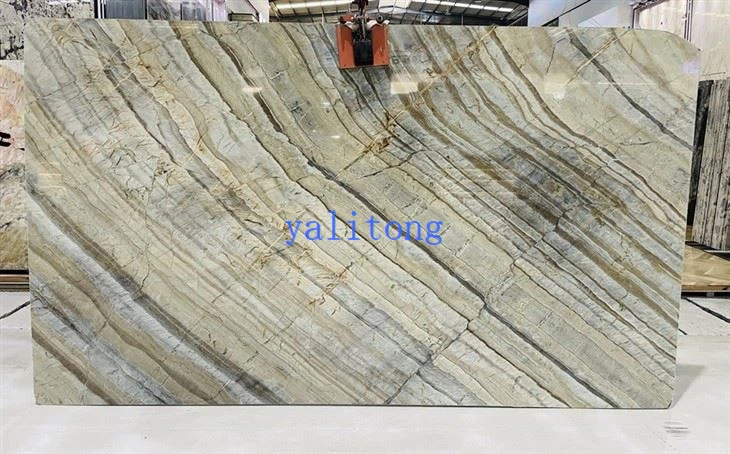
On the other hand, marble is a metamorphic rock that forms when limestone is subjected to heat and pressure. It has a smooth, polished surface with a characteristic veining pattern that can range from subtle to dramatic. Marble is known for its elegant and luxurious look, and it is often associated with high-end projects. Common colors of marble include white, cream, gray, and black, although there are also more exotic varieties available.
Both granite and marble can add a touch of sophistication to any space, but the choice between them often comes down to personal preference and the overall design aesthetic you're trying to achieve. If you prefer a more natural and rustic look, granite might be the better option. However, if you're going for a classic and refined appearance, marble could be the perfect choice.
Durability
Durability is an important factor to consider when selecting stone slabs for your project, especially in high-traffic areas or applications where the surface will be subjected to wear and tear. Granite is one of the hardest natural stones available, making it extremely durable and resistant to scratches, chips, and heat. It can withstand heavy use and is suitable for a variety of applications, including countertops, flooring, and exterior cladding.
Marble, on the other hand, is a softer stone compared to granite. While it is still relatively durable, it is more prone to scratching and etching, especially when exposed to acidic substances such as lemon juice, vinegar, or wine. Marble is best suited for areas with less traffic or where the surface will not be subjected to harsh chemicals or abrasive cleaning agents. However, with proper care and maintenance, marble can still last for many years and retain its beauty.
In terms of resistance to heat, granite is the clear winner. It can handle hot pots and pans without damage, making it an ideal choice for kitchen countertops. Marble, on the other hand, can be damaged by extreme heat, so it is recommended to use trivets or hot pads to protect the surface.
Maintenance
Another important consideration when choosing between granite and marble is the level of maintenance required. Granite is relatively low-maintenance and only requires regular cleaning with a mild soap and water solution. It is also recommended to seal the granite surface periodically to prevent staining and protect it from moisture. Sealing typically needs to be done every 1-2 years, depending on the type of granite and the amount of use it receives.
Marble, on the other hand, requires more careful maintenance. It is porous and can absorb liquids, which can lead to staining if not cleaned up immediately. To prevent staining, it is important to wipe up spills as soon as they occur and to avoid using acidic or abrasive cleaners on the surface. Marble also needs to be sealed regularly, usually every 6-12 months, to maintain its resistance to staining and etching.
In addition to regular cleaning and sealing, marble may also require periodic polishing to restore its shine and luster. This can be a more involved process compared to granite, and it may be necessary to hire a professional stone restoration service to ensure the best results.

Cost
The cost of granite and marble slabs can vary depending on several factors, including the quality, color, pattern, and availability of the stone. In general, granite tends to be more affordable than marble, especially for common colors and patterns. This is because granite is more abundant and easier to quarry compared to marble.
However, the price difference between granite and marble can vary significantly depending on the specific type and grade of the stone. Some high-end or rare varieties of granite can be just as expensive as marble, while there are also more budget-friendly options of marble available. It's important to shop around and compare prices from different suppliers to get the best value for your money.
In addition to the cost of the stone itself, you also need to consider the installation costs. Both granite and marble require professional installation, and the cost of installation can vary depending on the complexity of the project and the location. It's a good idea to get multiple quotes from reputable installers to ensure you're getting a fair price.
Applications
Granite and marble can be used in a variety of applications, but they each have their own strengths and weaknesses depending on the specific use. Here are some common applications for each type of stone:
Granite
- Countertops: Granite is a popular choice for kitchen and bathroom countertops due to its durability, heat resistance, and wide range of colors and patterns.
- Flooring: Granite flooring is a great option for high-traffic areas such as entryways, hallways, and commercial spaces. It is resistant to wear and tear and can add a touch of elegance to any room.
- Exterior Cladding: Granite is also commonly used for exterior cladding on buildings, as it can withstand the elements and provide a durable and attractive finish.
- Monuments and Statues: Granite's strength and durability make it a suitable material for monuments and statues, which can last for centuries.
Marble
- Countertops: Marble countertops are a classic choice for kitchens and bathrooms, adding a touch of luxury and sophistication to any space. However, they require more care and maintenance compared to granite.
- Flooring: Marble flooring is often used in formal areas such as living rooms, dining rooms, and entryways to create a grand and elegant look. It is important to choose a marble with a honed or textured finish to reduce the risk of slipping.
- Fireplaces: Marble is a popular choice for fireplace surrounds due to its heat resistance and beautiful appearance. It can add a focal point to any room and create a warm and inviting atmosphere.
- Sculptures and Artwork: Marble has been used for centuries in the creation of sculptures and artwork due to its softness and ability to be carved into intricate shapes.
Our Granite Slab Offerings
As a granite slab supplier, we offer a wide range of high-quality granite slabs to meet the needs of our customers. Our selection includes popular colors and patterns, as well as more unique and exotic varieties. Some of our featured products include:
- Corteccia Quartzite Slabs: These slabs feature a beautiful combination of earthy tones and natural veining, making them a great choice for both traditional and contemporary designs.
- Black Galaxy Natural Stone Granite Slabs: With its stunning black background and sparkling golden flecks, this granite is a popular choice for creating a dramatic and luxurious look.
- Surf Wave Granite Slabs: This unique granite features a wave-like pattern that adds a sense of movement and energy to any space. It is perfect for creating a focal point in your design.
We are committed to providing our customers with the best quality granite slabs at competitive prices. Our team of experts can help you choose the right stone for your project and provide you with all the information and support you need throughout the process.
Conclusion
In conclusion, both granite and marble are beautiful and durable natural stones that can enhance the look and value of any project. The choice between them depends on several factors, including your personal preference, the overall design aesthetic, the level of durability required, the maintenance you're willing to undertake, and your budget.
If you're looking for a hard and durable stone that can withstand heavy use and is relatively low-maintenance, granite might be the better option. However, if you're willing to invest in a more elegant and luxurious material and are willing to take extra care of it, marble could be the perfect choice.
As a granite slab supplier, we are here to help you make the right decision for your project. Whether you have questions about the different types of granite and marble available, need advice on installation and maintenance, or are ready to place an order, please don't hesitate to contact us. We look forward to working with you and helping you create the space of your dreams.
References
- "Granite vs. Marble: Which is Right for Your Countertops?" The Spruce.
- "Marble vs. Granite: A Comparison of Natural Stone Countertops." HomeAdvisor.
- "The Difference Between Granite and Marble." Stone World.