

Can Quartz Tiles be used in a kitchen?
Aug 29, 2025
Can Quartz Tiles be used in a kitchen?
When it comes to designing a kitchen, the choice of materials plays a crucial role in both aesthetics and functionality. One material that has gained significant popularity in recent years is quartz tiles. As a quartz tile supplier, I am often asked whether quartz tiles are suitable for use in the kitchen. In this blog post, I will explore the various aspects of using quartz tiles in a kitchen, including their advantages, disadvantages, and practical considerations.
Advantages of Using Quartz Tiles in the Kitchen
Durability
Quartz tiles are known for their exceptional durability. They are engineered to be highly resistant to scratches, chips, and cracks, making them an ideal choice for a high-traffic area like the kitchen. Unlike natural stone tiles, which can be porous and prone to staining, quartz tiles are non-porous, meaning they do not absorb liquids or bacteria. This makes them hygienic and easy to clean, which is essential in a kitchen environment where food preparation takes place.
Aesthetics
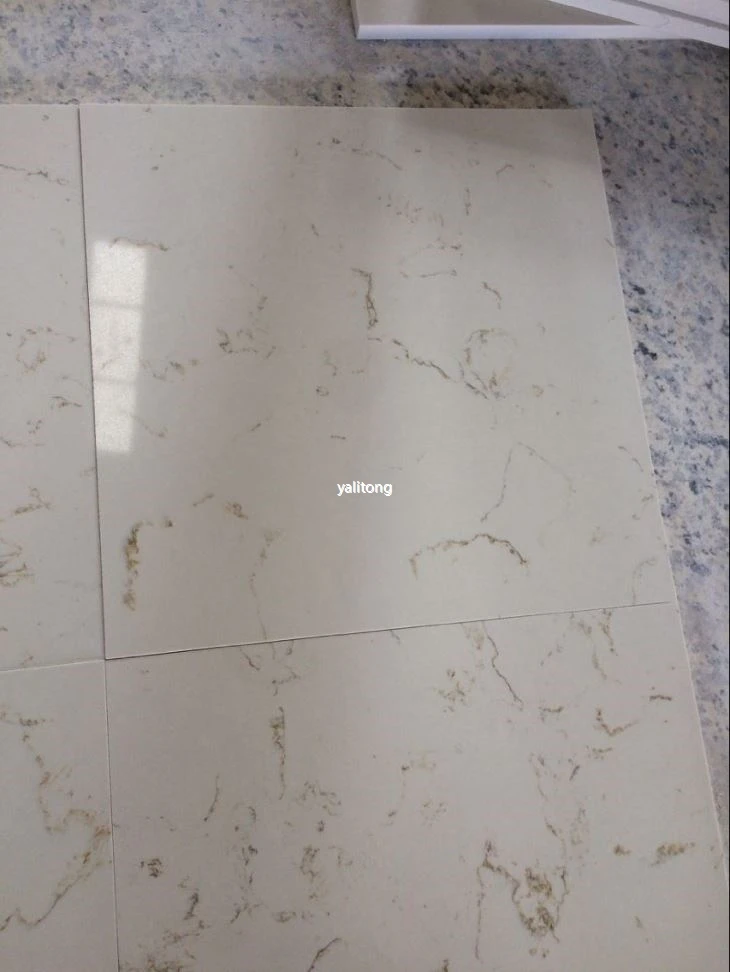
Quartz tiles come in a wide range of colors, patterns, and finishes, allowing you to create a customized look for your kitchen. Whether you prefer a modern, minimalist design or a more traditional, rustic style, there is a quartz tile option to suit your taste. Some quartz tiles are designed to mimic the look of natural stone, such as marble or granite, while others offer unique and contemporary patterns that can add a touch of personality to your kitchen. For example, you can check out our Fantasy Brown Beige Quartz Tiles, which feature a beautiful blend of warm beige tones and subtle veining, creating an elegant and sophisticated look.
Low Maintenance
One of the biggest advantages of using quartz tiles in the kitchen is their low maintenance requirements. Unlike natural stone tiles, which may require regular sealing and polishing to maintain their appearance, quartz tiles are relatively easy to care for. Simply wipe them down with a damp cloth and mild detergent to remove dirt and stains. Additionally, quartz tiles are resistant to fading, so they will retain their color and beauty for years to come.
Heat Resistance
Quartz tiles are heat resistant, which means they can withstand high temperatures without cracking or warping. This makes them a suitable choice for use near stoves, ovens, and other heat sources in the kitchen. However, it is important to note that while quartz tiles are heat resistant, they are not heatproof. It is still recommended to use trivets or hot pads to protect the surface of the tiles from direct contact with hot pots and pans.
Disadvantages of Using Quartz Tiles in the Kitchen
Cost
One of the main disadvantages of using quartz tiles in the kitchen is their cost. Compared to other types of tiles, such as ceramic or porcelain, quartz tiles are generally more expensive. The cost of quartz tiles can vary depending on the brand, quality, size, and design, but they typically range from $50 to $100 per square foot, including installation. However, it is important to consider the long-term benefits of using quartz tiles, such as their durability and low maintenance requirements, which can offset the initial cost.
Limited Repairability
While quartz tiles are highly durable, they are not indestructible. If a quartz tile is cracked or chipped, it may be difficult to repair. Unlike ceramic or porcelain tiles, which can be easily replaced, quartz tiles are often custom-made and may not be available in the same color or pattern if a replacement is needed. In some cases, it may be necessary to replace an entire section of the tile floor or countertop to maintain a consistent look.
Heavy Weight
Quartz tiles are heavier than other types of tiles, which can make them more difficult to install. They require a strong and stable substrate to support their weight, and special care must be taken during installation to ensure that the tiles are properly aligned and level. Additionally, the weight of the quartz tiles may limit the design options for your kitchen, as they may not be suitable for use on walls or in areas with limited structural support.
Practical Considerations for Using Quartz Tiles in the Kitchen
Installation
Proper installation is crucial to ensure the longevity and performance of quartz tiles in the kitchen. It is recommended to hire a professional installer who has experience working with quartz tiles. The installer will need to prepare the substrate properly, apply the appropriate adhesive, and use the correct tools and techniques to ensure that the tiles are installed correctly. Additionally, the installer will need to leave a small gap between the tiles to allow for expansion and contraction due to temperature changes.
Sealing
While quartz tiles are non-porous and do not require sealing, some manufacturers may recommend applying a sealant to the surface of the tiles to enhance their stain resistance and make them easier to clean. If you choose to seal your quartz tiles, it is important to use a high-quality sealant that is specifically designed for use on quartz surfaces. Follow the manufacturer's instructions carefully when applying the sealant, and reapply it as recommended to maintain its effectiveness.
Matching with Other Materials
When using quartz tiles in the kitchen, it is important to consider how they will match with other materials, such as cabinets, countertops, and backsplashes. Choose colors and patterns that complement each other to create a cohesive and harmonious look. For example, if you have light-colored cabinets, you may want to choose a darker-colored quartz tile for the floor or countertop to create contrast. Alternatively, if you have a bold and colorful backsplash, you may want to choose a more neutral-colored quartz tile for the floor to balance the look.
Conclusion
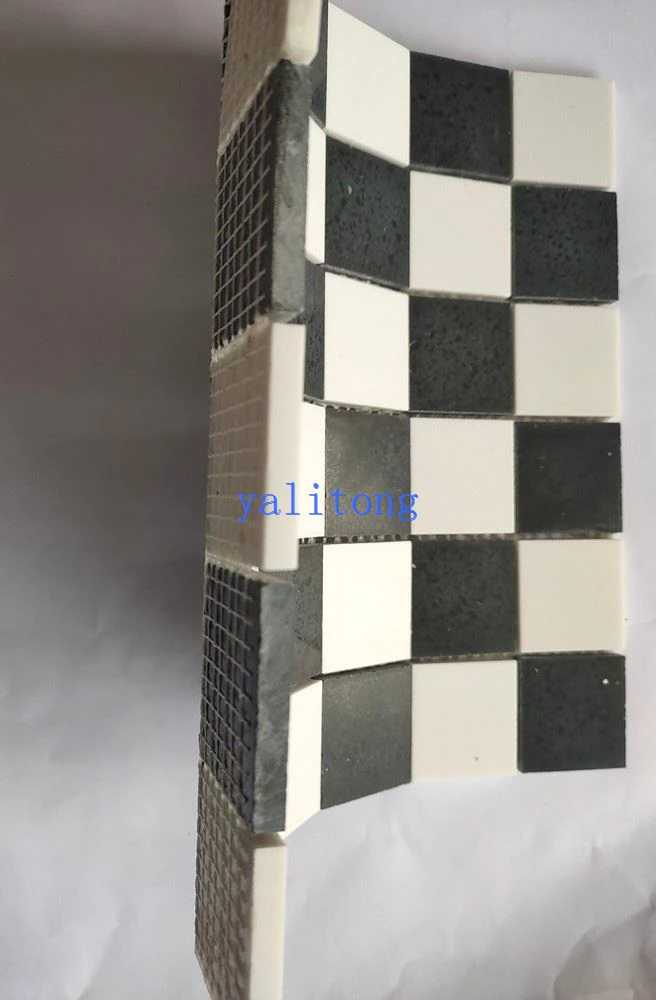
In conclusion, quartz tiles can be a great choice for use in the kitchen. They offer a number of advantages, including durability, aesthetics, low maintenance, and heat resistance. However, they also have some disadvantages, such as cost, limited repairability, and heavy weight. When considering using quartz tiles in your kitchen, it is important to weigh the pros and cons and consider your specific needs and budget. If you are looking for a high-quality, long-lasting, and stylish tile option for your kitchen, I recommend exploring our range of quartz tiles, including Grey and Black Quartz Flooring Tiles, Counter Top and Black Quartz Mosaic Tiles.
If you are interested in purchasing quartz tiles for your kitchen or have any questions about our products, please do not hesitate to contact us. We are happy to provide you with more information and assist you in making the right choice for your project.
References
- "Quartz Countertops: The Pros and Cons." Bob Vila, 2023.
- "How to Choose the Right Tile for Your Kitchen." HomeAdvisor, 2023.
- "Quartz Tiles: A Comprehensive Guide." The Spruce, 2023.