

Are stone slabs scratch - resistant?
Jun 23, 2025
Are stone slabs scratch-resistant? This is a question that I, as a stone slab supplier, often encounter from customers. In the world of construction and interior design, stone slabs are highly sought after for their natural beauty, durability, and elegance. However, the concern about scratches is a valid one, as scratches can significantly affect the aesthetic appeal and longevity of the stone. In this blog, I will delve into the topic of whether stone slabs are scratch-resistant, exploring the factors that influence their scratch resistance and providing practical tips for maintaining their pristine condition.
Understanding Stone Slabs
Before we discuss scratch resistance, it's important to understand the different types of stone slabs available in the market. The most common types of stone used for slabs include marble, granite, quartzite, and limestone. Each type of stone has its own unique characteristics, composition, and level of scratch resistance.
- Marble: Marble is a metamorphic rock composed primarily of calcite or dolomite. It is known for its luxurious appearance, with veining patterns that add a touch of elegance to any space. However, marble is relatively soft compared to other stones, making it more susceptible to scratches and etching. Piano Grey Marble Slabs and China Violet Marble Slabs are popular choices for interior applications, but they require careful maintenance to prevent scratches.
- Granite: Granite is an igneous rock composed mainly of quartz, feldspar, and mica. It is one of the hardest and most durable natural stones, making it highly resistant to scratches, heat, and stains. Granite is a popular choice for kitchen countertops, flooring, and outdoor applications due to its strength and longevity.
- Quartzite: Quartzite is a metamorphic rock formed from sandstone that has been subjected to high heat and pressure. It is composed primarily of quartz, making it extremely hard and scratch-resistant. Quartzite is often used as an alternative to granite, offering a similar level of durability with a unique, natural appearance.
- Limestone: Limestone is a sedimentary rock composed mainly of calcium carbonate. It is a softer stone compared to granite and quartzite, making it more prone to scratches and wear. However, limestone has a warm, earthy appearance that is popular in traditional and rustic designs.
Factors Affecting Scratch Resistance
The scratch resistance of a stone slab depends on several factors, including its mineral composition, hardness, porosity, and finish.
- Mineral Composition: The mineral composition of a stone determines its hardness and scratch resistance. Stones with a high quartz content, such as granite and quartzite, are generally harder and more scratch-resistant than stones with a high calcite content, such as marble and limestone.
- Hardness: The hardness of a stone is measured on the Mohs scale, which ranges from 1 (softest) to 10 (hardest). Granite and quartzite typically have a hardness of 6 to 7 on the Mohs scale, while marble and limestone have a hardness of 3 to 4. The higher the hardness of a stone, the more resistant it is to scratches.
- Porosity: The porosity of a stone refers to its ability to absorb liquids. Stones with high porosity, such as limestone and some types of marble, are more susceptible to staining and scratching. Sealing the stone can help reduce its porosity and improve its scratch resistance.
- Finish: The finish of a stone slab can also affect its scratch resistance. Polished finishes are more prone to showing scratches, as they have a smooth, reflective surface that makes scratches more visible. Honed finishes, on the other hand, have a matte appearance that is less likely to show scratches.
Tips for Maintaining Scratch Resistance
While some stone slabs are more scratch-resistant than others, all stones require proper care and maintenance to keep them looking their best. Here are some tips for maintaining the scratch resistance of your stone slabs:
- Use Cutting Boards and Trivets: When using your stone countertops in the kitchen, always use cutting boards and trivets to protect the surface from scratches and heat damage. Avoid cutting directly on the stone, as this can cause permanent scratches.
- Clean Spills Immediately: Spills should be cleaned up immediately to prevent staining and scratching. Use a mild detergent and a soft cloth to clean the surface, and avoid using abrasive cleaners or scrubbers that can scratch the stone.
- Seal the Stone Regularly: Sealing the stone can help protect it from stains and scratches. The frequency of sealing depends on the type of stone and its porosity. Generally, marble and limestone should be sealed every 1 to 2 years, while granite and quartzite can be sealed every 2 to 3 years.
- Avoid Abrasive Materials: When cleaning your stone slabs, avoid using abrasive materials such as steel wool, scouring pads, or harsh chemicals. These materials can scratch the surface of the stone and damage its finish.
- Use Coasters and Placemats: When using your stone tables or surfaces, use coasters and placemats to protect them from scratches and stains. Avoid placing hot or wet items directly on the stone, as this can cause damage.
Conclusion
In conclusion, the scratch resistance of stone slabs depends on several factors, including their mineral composition, hardness, porosity, and finish. While some stones, such as granite and quartzite, are more scratch-resistant than others, all stones require proper care and maintenance to keep them looking their best. By following the tips outlined in this blog, you can help protect your stone slabs from scratches and ensure their longevity.

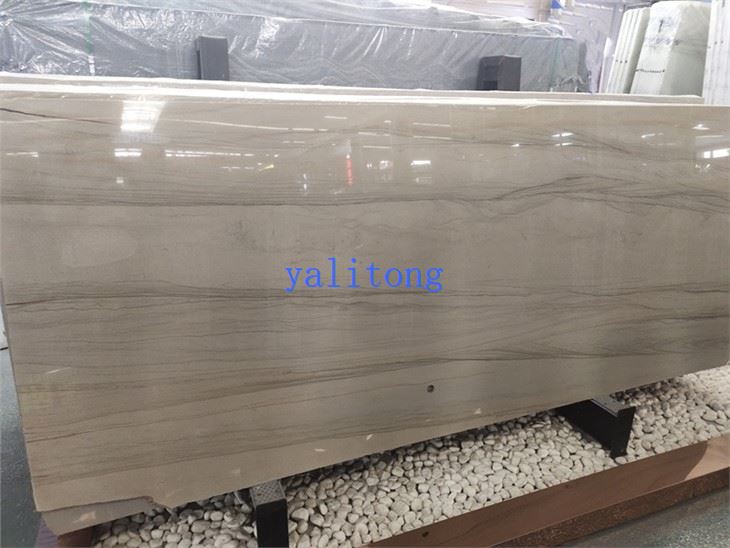
If you're interested in purchasing high-quality stone slabs for your next project, I invite you to contact me for more information. I'm a stone slab supplier with years of experience in the industry, and I can help you choose the right stone for your needs and budget. Whether you're looking for Piano Grey Marble Slabs or China Violet Marble Slabs, I have a wide selection of stones to choose from. Let's work together to create a beautiful and durable space that you'll enjoy for years to come.
References
- "Stone Countertop Care and Maintenance." Marble Institute of America.
- "Hardness of Natural Stones." Geology.com.
- "Porosity of Natural Stones." Stone World.