

When did the Taj Mahal become a UNESCO World Heritage Site?
Jul 18, 2025
Hey there! As a supplier for the Taj Mahal, I often get asked a bunch of questions about this iconic monument. One of the most common ones is, “When did the Taj Mahal become a UNESCO World Heritage Site?” Well, let's dive right into it.
The Taj Mahal is not just a building; it's a symbol of love, a masterpiece of architecture, and a testament to the rich history and culture of India. Built by Mughal Emperor Shah Jahan in memory of his beloved wife Mumtaz Mahal, it stands as one of the most beautiful and famous structures in the world.
So, when did it get that prestigious UNESCO World Heritage Site status? In 1983, the Taj Mahal was inscribed on the UNESCO World Heritage List. This recognition was a big deal because it meant that the international community acknowledged the Taj Mahal's outstanding universal value. UNESCO's mission is to identify, protect, and preserve cultural and natural heritage around the globe that is of such significance that it belongs to all humanity.
The reasons behind the Taj Mahal's inclusion were numerous. First off, its architectural design is a blend of Indian, Persian, and Islamic styles. The symmetry, the use of white marble, and the intricate carvings and inlays are just mind - blowing. The main dome, flanked by four minarets, creates a visual spectacle that has captivated people for centuries.
The gardens surrounding the Taj Mahal are also a key factor. They are laid out in a charbagh style, which is a traditional Persian garden design. These gardens not only add to the beauty of the monument but also have a symbolic meaning, representing paradise on earth.
Another aspect is the historical and cultural significance. The Taj Mahal was built during the peak of the Mughal Empire, a time of great artistic and cultural achievements in India. It tells the story of Shah Jahan's undying love for Mumtaz Mahal and the opulence and grandeur of the Mughal court.
As a supplier for the Taj Mahal, I've had the privilege of being involved in the preservation and restoration efforts. We provide high - quality materials that are used to maintain the monument's integrity. For example, we offer Snow Black Marble Slab Decor. This marble has a unique texture and color that can be used for decorative purposes or in restoration work where a touch of elegance is needed.
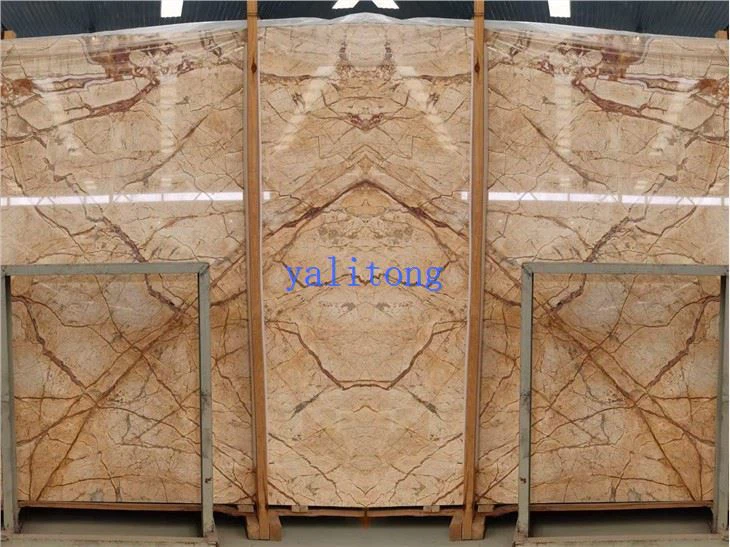
Our China Bruce Grey Marble Slabs are also quite popular. They are durable and have a neutral color that can blend well with the existing architecture of the Taj Mahal. And then there are the Goose Feather Gold Marble Slabs, which add a touch of luxury with their golden veins.
Preserving the Taj Mahal is a continuous process. Over the years, the monument has faced various challenges, including pollution, which has caused discoloration of the white marble. That's why using the right materials is crucial. Our marbles are carefully selected for their quality and ability to withstand environmental factors.
We work closely with conservation experts and government agencies to ensure that the materials we supply meet the strict standards required for the preservation of this world - famous site. It's a responsibility we take very seriously because the Taj Mahal is not just a local treasure; it's a global icon.
If you're in the business of monument restoration, architecture, or interior design and are looking for high - quality marble slabs, we'd love to hear from you. We have a wide range of products that can suit different needs and budgets. Whether you're working on a small project or a large - scale restoration like the Taj Mahal, we've got you covered.
Contact us to start a conversation about your requirements. We're always happy to discuss how our marble slabs can be the perfect fit for your project. Let's work together to bring out the best in your architectural and design endeavors.
References

- UNESCO World Heritage Centre. "Taj Mahal." Accessed [current date].
- "The Architecture of the Taj Mahal." Indian Journal of History and Culture, [publication date].
- "History and Significance of the Taj Mahal." National Museum of India, [publication date].