

What types of stone slabs are there?
Jul 25, 2025
As a dedicated stone slab supplier, I've had the privilege of working with a diverse range of stone slabs. In this blog, I'll take you through the different types of stone slabs available, highlighting their unique features, characteristics, and potential applications.
Granite Slabs
Granite is one of the most popular choices for stone slabs, and for good reason. It is an igneous rock formed from the slow crystallization of magma beneath the Earth's surface. This process results in a dense, hard, and durable material that is highly resistant to scratches, heat, and stains.
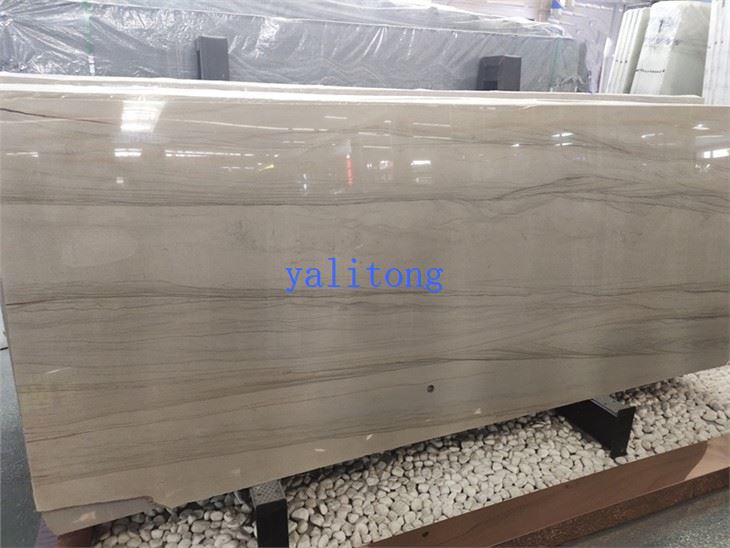

- Appearance: Granite slabs come in a wide variety of colors and patterns, ranging from classic black, white, and gray to more exotic hues like red, green, and blue. The natural veining and speckles in granite add a unique and elegant touch to any space.
- Applications: Due to its durability and aesthetic appeal, granite is commonly used in kitchen countertops, bathroom vanities, flooring, and outdoor paving. It can also be used for fireplace surrounds, wall cladding, and decorative accents.
- Maintenance: Granite is relatively easy to maintain. Regular cleaning with a mild soap and water solution is usually sufficient to keep it looking its best. However, it is recommended to seal granite slabs periodically to prevent staining and protect the surface.
Marble Slabs
Marble is a metamorphic rock formed from limestone that has been subjected to high pressure and heat. It is known for its luxurious appearance, smooth texture, and unique veining patterns.
- Appearance: Marble slabs come in a wide range of colors, including white, black, gray, beige, and pink. The veining in marble can vary from subtle and delicate to bold and dramatic, adding a touch of elegance and sophistication to any space.
- Applications: Marble is a popular choice for high-end interior applications, such as kitchen countertops, bathroom vanities, flooring, and wall cladding. It is also commonly used in sculptures, monuments, and decorative accents.
- Maintenance: Marble is a relatively soft and porous material, which means it is more prone to scratching and staining than granite. It is important to avoid using abrasive cleaners or acidic substances on marble surfaces, as these can damage the finish. Regular sealing is also recommended to protect the surface and prevent staining.
Quartzite Slabs
Quartzite is a metamorphic rock formed from sandstone that has been subjected to high pressure and heat. It is composed primarily of quartz, which makes it extremely hard and durable.
- Appearance: Quartzite slabs come in a variety of colors and patterns, similar to granite. They often have a natural, earthy look, with subtle veining and speckles. The color of quartzite can range from white and gray to pink, red, and brown.
- Applications: Quartzite is a popular choice for kitchen countertops, bathroom vanities, flooring, and outdoor paving. It is also suitable for high-traffic areas, as it is resistant to scratching, heat, and stains.
- Maintenance: Quartzite is relatively easy to maintain. Regular cleaning with a mild soap and water solution is usually sufficient to keep it looking its best. However, like granite, it is recommended to seal quartzite slabs periodically to prevent staining and protect the surface.
Travertine Slabs
Travertine is a sedimentary rock formed from limestone that has been deposited by hot springs or geothermal activity. It is known for its unique porous texture and natural beauty.
- Appearance: Travertine slabs come in a variety of colors, including beige, brown, gold, and ivory. The porous nature of travertine gives it a rustic and natural look, with small holes and pits that add character and charm.
- Applications: Travertine is commonly used in outdoor applications, such as patio flooring, pool surrounds, and garden paths. It is also suitable for interior applications, such as bathroom flooring, wall cladding, and backsplashes.
- Maintenance: Travertine is a relatively soft and porous material, which means it is more prone to scratching and staining than granite or quartzite. It is important to seal travertine slabs regularly to protect the surface and prevent staining. Avoid using abrasive cleaners or acidic substances on travertine surfaces, as these can damage the finish.
Slate Slabs
Slate is a metamorphic rock formed from shale that has been subjected to high pressure and heat. It is known for its unique texture, durability, and natural beauty.
- Appearance: Slate slabs come in a variety of colors, including black, gray, green, and purple. The texture of slate can range from smooth and polished to rough and textured, depending on the finish.
- Applications: Slate is a popular choice for outdoor applications, such as patio flooring, pool surrounds, and garden paths. It is also suitable for interior applications, such as bathroom flooring, wall cladding, and backsplashes.
- Maintenance: Slate is relatively easy to maintain. Regular cleaning with a mild soap and water solution is usually sufficient to keep it looking its best. However, like travertine, it is recommended to seal slate slabs periodically to protect the surface and prevent staining.
Limestone Slabs
Limestone is a sedimentary rock formed from the accumulation of shells, coral, and other marine organisms. It is known for its natural beauty, smooth texture, and versatility.
- Appearance: Limestone slabs come in a variety of colors, including white, beige, gray, and brown. The texture of limestone can range from smooth and polished to rough and textured, depending on the finish.
- Applications: Limestone is a popular choice for both interior and exterior applications, such as flooring, wall cladding, countertops, and fireplace surrounds. It is also commonly used in landscaping, such as retaining walls, steps, and paving.
- Maintenance: Limestone is a relatively soft and porous material, which means it is more prone to scratching and staining than granite or quartzite. It is important to seal limestone slabs regularly to protect the surface and prevent staining. Avoid using abrasive cleaners or acidic substances on limestone surfaces, as these can damage the finish.
Conclusion
In conclusion, there are many different types of stone slabs available, each with its own unique features, characteristics, and potential applications. As a stone slab supplier, I have the expertise and experience to help you choose the right type of stone slab for your project, based on your specific needs and preferences.
If you're interested in learning more about the different types of stone slabs or would like to discuss your project in more detail, please don't hesitate to contact me. I would be happy to provide you with more information, answer any questions you may have, and help you find the perfect stone slab for your needs.
References
- "Stone Slabs: A Comprehensive Guide." Stone World, [Date of publication].
- "Types of Stone Slabs and Their Applications." HomeAdvisor, [Date of publication].
- "The Ultimate Guide to Stone Countertops." Bob Vila, [Date of publication].
Contact Us
If you're interested in purchasing any of the stone slabs mentioned above, or if you have any questions or inquiries, please feel free to contact us. We're here to assist you with your stone slab needs and look forward to discussing your project with you. Whether you're a homeowner, designer, or contractor, we can provide you with high - quality stone slabs and professional advice. Reach out to us and let's start the conversation about your next project.
Here are some specific types of our stone slabs you might be interested in: