

What is the water absorption rate of marble tile?
May 14, 2025
Marble tiles are a popular choice for both residential and commercial spaces due to their elegant appearance and durability. One of the key factors that determine the quality and performance of marble tiles is their water absorption rate. As a leading marble tile supplier, I understand the importance of this characteristic and its impact on the suitability of marble tiles for various applications. In this blog post, I will delve into the concept of the water absorption rate of marble tiles, its significance, and how it affects the use of these tiles in different settings.
Understanding the Water Absorption Rate
The water absorption rate of marble tiles refers to the amount of water that a tile can absorb when immersed in water for a specified period. It is typically expressed as a percentage of the tile's dry weight. This rate is an important indicator of the tile's porosity and density. Tiles with a low water absorption rate are less porous and more dense, making them more resistant to water penetration, staining, and damage. On the other hand, tiles with a high water absorption rate are more porous and less dense, which means they are more likely to absorb water, stains, and moisture, leading to potential issues such as discoloration, cracking, and mold growth.
Measuring the Water Absorption Rate
The water absorption rate of marble tiles is measured according to international standards, such as ISO 10545-3. This standard specifies the test method for determining the water absorption of ceramic tiles, which can also be applied to marble tiles. The test involves weighing the tile in its dry state, then immersing it in water for a specific period (usually 24 hours), and weighing it again after removing the excess surface water. The difference in weight before and after immersion is used to calculate the water absorption rate as a percentage of the dry weight.
Significance of the Water Absorption Rate
The water absorption rate of marble tiles has several implications for their performance and suitability for different applications. Here are some key points to consider:
Durability
Tiles with a low water absorption rate are more durable and less prone to damage from water and moisture. They are better able to withstand the rigors of daily use, including foot traffic, spills, and cleaning. This makes them ideal for high-traffic areas such as kitchens, bathrooms, and commercial spaces.
Stain Resistance
Marble tiles with a low water absorption rate are less likely to absorb stains from liquids such as water, oil, and wine. This makes them easier to clean and maintain, and helps to keep them looking new for longer. On the other hand, tiles with a high water absorption rate are more likely to stain, which can be difficult to remove and may require professional cleaning.
Freeze-Thaw Resistance
In regions with cold climates, the water absorption rate of marble tiles is particularly important. Tiles with a high water absorption rate are more likely to crack or break when exposed to freezing temperatures, as the water absorbed by the tile expands when it freezes. Tiles with a low water absorption rate are more resistant to freeze-thaw damage, making them a better choice for outdoor applications in cold climates.
Aesthetic Appeal
The water absorption rate of marble tiles can also affect their aesthetic appeal. Tiles with a high water absorption rate may absorb moisture from the environment, causing them to appear dull or discolored over time. Tiles with a low water absorption rate are more likely to maintain their original color and shine, enhancing the overall beauty of the space.
Water Absorption Rate and Application
The water absorption rate of marble tiles determines their suitability for different applications. Here are some general guidelines:
Indoor Flooring
For indoor flooring applications, such as living rooms, bedrooms, and hallways, marble tiles with a water absorption rate of less than 0.5% are recommended. These tiles are highly durable, stain-resistant, and easy to clean, making them ideal for high-traffic areas. Cartier Grey Marble Tiles are a great option for indoor flooring, as they have a low water absorption rate and a beautiful, elegant appearance.
Kitchen and Bathroom Flooring
In kitchens and bathrooms, where there is a higher risk of water spills and moisture, marble tiles with a water absorption rate of less than 0.2% are preferred. These tiles are extremely resistant to water penetration and staining, ensuring long-lasting performance in wet environments. Marble Natural Stone Mosaic Wall Tile can be used not only on walls but also in areas with light foot traffic in kitchens and bathrooms, providing both functionality and aesthetic appeal.
Outdoor Flooring
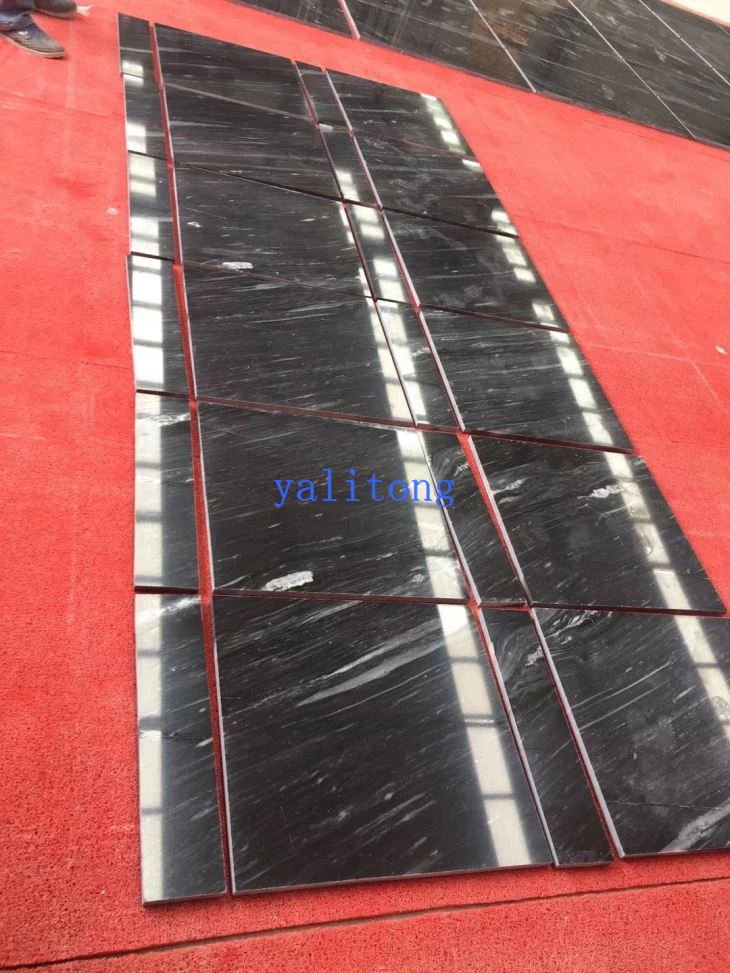
For outdoor flooring applications, such as patios, walkways, and pool decks, marble tiles with a water absorption rate of less than 0.1% are recommended. These tiles are highly resistant to freeze-thaw damage and can withstand the harsh outdoor elements. Kenya Black Marble Tiles Catalogue offers a range of tiles suitable for outdoor use, with low water absorption rates and excellent durability.
Wall Cladding
When using marble tiles for wall cladding, the water absorption rate is less critical than for flooring applications. However, it is still important to choose tiles with a relatively low water absorption rate to prevent moisture from seeping into the wall and causing damage. Tiles with a water absorption rate of less than 1% are generally suitable for wall cladding.
Factors Affecting the Water Absorption Rate
Several factors can affect the water absorption rate of marble tiles, including:
Marble Type
Different types of marble have different levels of porosity and density, which can affect their water absorption rate. For example, some marbles are more porous than others, making them more likely to absorb water.
Processing
The way marble tiles are processed can also affect their water absorption rate. Tiles that are cut, polished, and finished properly are less likely to have open pores, which can reduce their water absorption rate.
Sealing
Applying a sealant to marble tiles can help to reduce their water absorption rate. Sealants create a protective barrier on the surface of the tile, preventing water and stains from penetrating. However, the effectiveness of the sealant depends on the quality of the product and the application method.
Conclusion
The water absorption rate of marble tiles is a crucial factor to consider when choosing tiles for your project. It affects the durability, stain resistance, freeze-thaw resistance, and aesthetic appeal of the tiles. As a marble tile supplier, I offer a wide range of marble tiles with different water absorption rates to suit various applications. Whether you are looking for tiles for indoor flooring, kitchen and bathroom use, outdoor areas, or wall cladding, I can help you find the perfect tiles for your needs.

If you are interested in purchasing marble tiles or have any questions about their water absorption rate or other characteristics, please feel free to contact me. I am always happy to provide professional advice and assistance to help you make the right choice for your project. Let's start a conversation and explore the possibilities of enhancing your space with high-quality marble tiles.
References
- ISO 10545-3:2018, Ceramic tiles - Part 3: Determination of water absorption, apparent porosity, apparent relative density and bulk density.