

What is the difference between natural and artificial stone slabs?
Nov 14, 2025
As a seasoned stone slab supplier, I've had the privilege of working closely with both natural and artificial stone slabs. Over the years, I've witnessed the unique characteristics, benefits, and drawbacks of each type, and I'm excited to share my insights with you. In this blog post, we'll delve into the differences between natural and artificial stone slabs, helping you make an informed decision for your next project.
Composition and Origin
Natural stone slabs are derived from the earth's crust, formed over millions of years through geological processes. These processes involve the compression and crystallization of minerals, resulting in a wide variety of stone types, each with its own distinct color, pattern, and texture. Common types of natural stone used for slabs include marble, granite, limestone, and slate.
On the other hand, artificial stone slabs, also known as engineered stone or composite stone, are man-made materials. They are typically composed of crushed natural stone aggregates, resin binders, and pigments. The mixture is then compressed and cured under high pressure and temperature to create a solid, durable slab.
Aesthetics
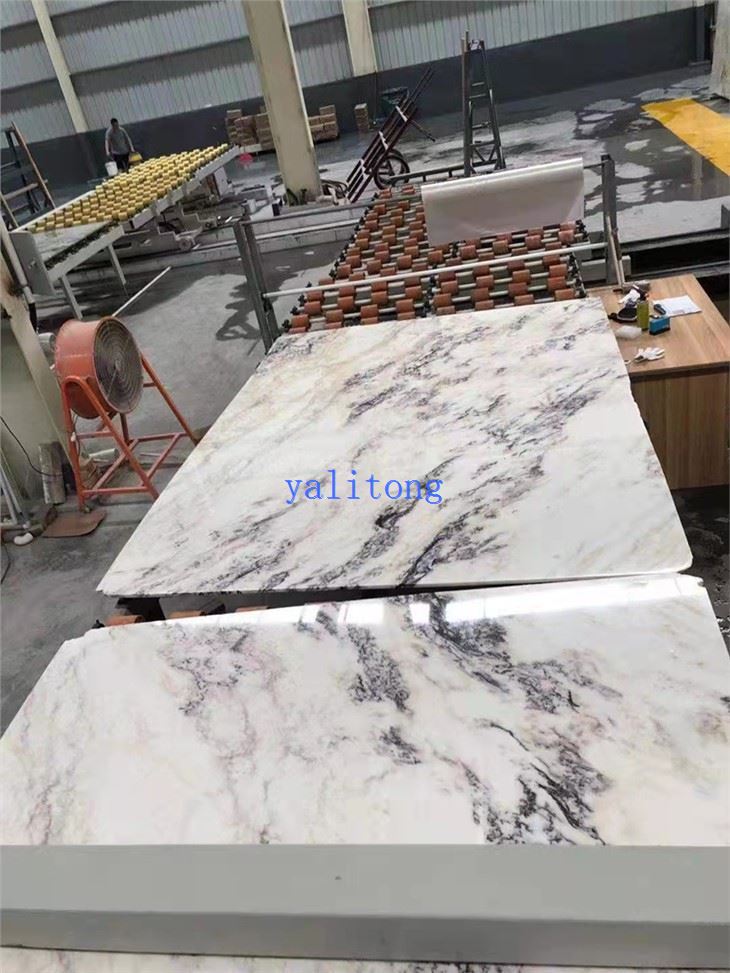
One of the most significant differences between natural and artificial stone slabs lies in their aesthetics. Natural stone slabs offer a unique and authentic look that is unmatched by artificial alternatives. Each slab is a one-of-a-kind piece, with natural variations in color, pattern, and veining that add character and charm to any space. For example, China Violet Marble Slabs feature a stunning violet hue with intricate veining, creating a luxurious and elegant appearance.
Artificial stone slabs, on the other hand, are designed to mimic the look of natural stone. While they can achieve a high level of realism, they often lack the natural variations and imperfections that make natural stone so desirable. However, artificial stone offers a wider range of color and pattern options, allowing you to choose a slab that perfectly matches your design vision. Piano Grey Marble Slabs are a popular choice for those who want the look of marble without the high cost and maintenance requirements.

Durability and Maintenance
When it comes to durability, both natural and artificial stone slabs have their strengths and weaknesses. Natural stone is generally very hard and resistant to scratches and abrasions. However, it is also porous, which means it can absorb liquids and stains if not properly sealed. Regular sealing is required to maintain the stone's appearance and protect it from damage.
Artificial stone, on the other hand, is non-porous and highly resistant to stains, scratches, and chips. It is also more consistent in terms of color and pattern, which means it is less likely to show signs of wear and tear over time. However, artificial stone can be more brittle than natural stone, and it may crack or chip if subjected to heavy impact.
In terms of maintenance, natural stone requires more care and attention than artificial stone. It needs to be cleaned regularly with a pH-neutral cleaner and sealed every 1-2 years to prevent staining and damage. Artificial stone, on the other hand, can be cleaned with a mild soap and water solution, and it does not require sealing.
Cost
The cost of natural and artificial stone slabs can vary significantly depending on the type of stone, the quality, and the size of the slab. Generally speaking, natural stone is more expensive than artificial stone due to its rarity and the cost of extraction and processing. However, the price of natural stone can also vary depending on the type of stone and its availability. For example, marble is generally more expensive than granite, and certain types of marble, such as Carrara marble, are more expensive than others.
Artificial stone, on the other hand, is typically less expensive than natural stone. It is also more consistent in terms of price, which means you can get a high-quality slab at a more affordable price. However, the cost of artificial stone can also vary depending on the brand, the quality, and the size of the slab.
Environmental Impact
In recent years, there has been a growing concern about the environmental impact of building materials. When it comes to natural and artificial stone slabs, both have their pros and cons in terms of environmental sustainability.
Natural stone is a renewable resource, but the extraction and processing of natural stone can have a significant impact on the environment. Mining operations can cause deforestation, soil erosion, and water pollution, and the transportation of natural stone can contribute to greenhouse gas emissions. However, many natural stone suppliers are taking steps to reduce their environmental impact by using sustainable mining practices and reducing their carbon footprint.
Artificial stone, on the other hand, is made from recycled materials and requires less energy to produce than natural stone. However, the production of artificial stone involves the use of resin binders, which can release volatile organic compounds (VOCs) into the air. These VOCs can have a negative impact on indoor air quality and human health.
Applications
Both natural and artificial stone slabs are versatile materials that can be used in a wide range of applications. Natural stone is a popular choice for high-end residential and commercial projects, such as kitchens, bathrooms, and flooring. It is also commonly used for exterior cladding, landscaping, and monuments.
Artificial stone, on the other hand, is a more affordable and practical option for many applications. It is commonly used for countertops, backsplashes, and flooring in residential and commercial kitchens and bathrooms. It is also a popular choice for outdoor applications, such as patios and pool decks.
Conclusion
In conclusion, the choice between natural and artificial stone slabs depends on a variety of factors, including your budget, design preferences, durability requirements, and environmental concerns. Natural stone offers a unique and authentic look, but it requires more maintenance and can be more expensive. Artificial stone, on the other hand, is more affordable, easier to maintain, and offers a wider range of color and pattern options.
If you're still unsure which type of stone slab is right for your project, I encourage you to contact me. As a stone slab supplier, I have extensive experience working with both natural and artificial stone, and I can help you choose the perfect slab for your needs. Whether you're looking for a luxurious marble slab for your kitchen or a practical granite slab for your outdoor patio, I can provide you with high-quality products and professional advice.
References
- "Natural Stone vs. Engineered Stone: What's the Difference?" The Spruce.
- "The Environmental Impact of Natural Stone." Stone World.
- "Artificial Stone: A Sustainable Alternative to Natural Stone?" Green Building Elements.