

Is it difficult to install stone slabs?
Jul 30, 2025
Hey there! As a stone slab supplier, I often get asked whether it's difficult to install stone slabs. Well, the answer isn't as straightforward as a simple yes or no. There are quite a few factors at play here, and I'm gonna break it all down for you.
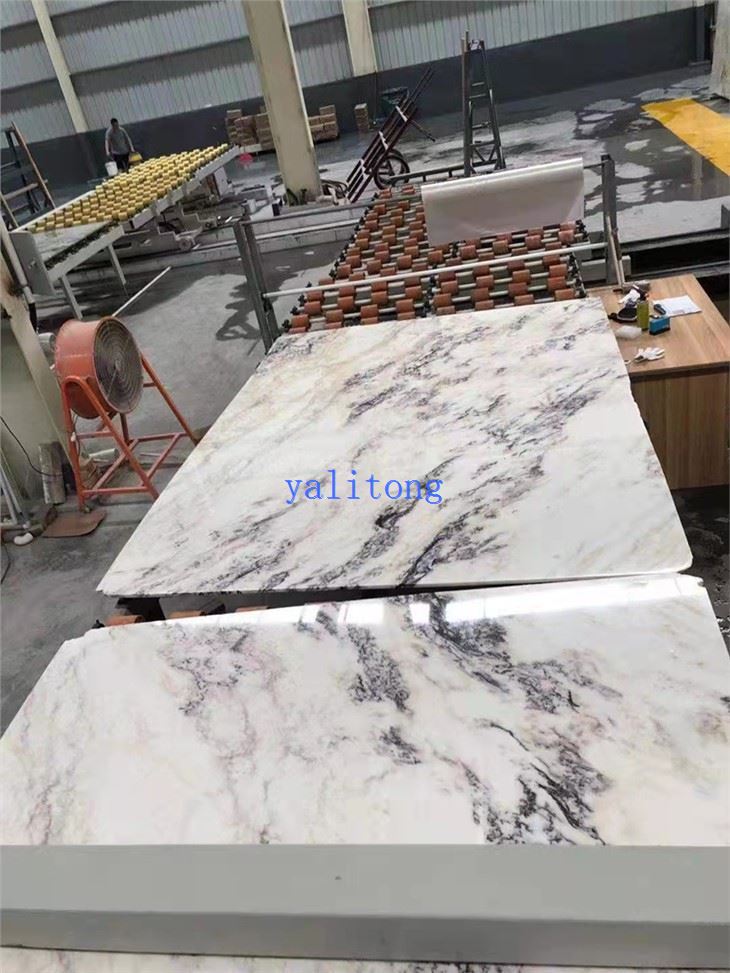
First off, let's talk about the types of stone slabs. There are so many different kinds out there, like granite, marble, limestone, and more. Each type has its own unique characteristics that can affect the installation process. For instance, marble is a softer stone compared to granite. That means it's more prone to scratches and chips during installation. But on the flip side, marble has this elegant look that many people just love. You can check out our Piano Grey Marble Slabs and China Violet Marble Slabs which are some of the popular marble options we offer.
The size of the stone slabs also matters a great deal. Larger slabs are generally more challenging to install. They're heavier, so you need more manpower and proper equipment to handle them. Moving a big slab around without damaging it can be a real headache. You have to make sure the surface where you're installing it is perfectly level. Even a tiny unevenness can cause problems later on, like the slab cracking under pressure. Plus, aligning large slabs correctly is crucial. If they're not lined up properly, it'll look really bad and might even affect the structural integrity of the installation.
Another factor is the location where the stone slabs are being installed. Installing them indoors, like in a kitchen or a bathroom, is different from outdoor installations. Indoors, you have to deal with things like plumbing and electrical fixtures. You need to cut the slabs precisely around these fixtures, which requires a high level of skill. Outdoor installations, on the other hand, face different challenges. The weather can be a major issue. Extreme heat or cold can cause the stone to expand or contract, which might lead to cracks over time. And you also have to consider the ground conditions. If the ground isn't stable, the slabs can shift and become uneven.
Now, let's talk about the tools and skills required for the installation. You need a whole bunch of specialized tools. A wet saw is essential for cutting the stone slabs to the right size and shape. You also need a level to make sure everything is straight, a trowel for applying the adhesive, and a mallet for tapping the slabs into place. But having the right tools isn't enough. You need to know how to use them properly. Cutting stone isn't like cutting wood. You have to be really careful not to break the slab. And applying the adhesive evenly is also crucial. If the adhesive isn't spread out right, the slab might not stick properly.
If you're a DIY enthusiast, you might be thinking about installing the stone slabs yourself. Well, it's definitely possible, but it's not for the faint of heart. You need to have a good amount of patience and be willing to learn. There are plenty of online tutorials that can guide you through the process. But even with all the tutorials in the world, you're still likely to run into some problems. And if you make a mistake, it can be really costly to fix. So, if you're not confident in your skills, it's probably a good idea to hire a professional installer.
Professional installers have the experience and expertise to handle all the challenges that come with installing stone slabs. They know how to deal with different types of stone, how to work around obstacles, and how to ensure a long - lasting installation. They also have access to better tools and equipment. But hiring a pro isn't cheap. You have to factor in the cost of labor, which can add up quickly, especially for larger projects.
In terms of preparation before installation, you need to do a few things. First, you have to measure the area where the slabs will be installed. This will help you determine how many slabs you need and how to cut them. You also need to clean the surface thoroughly. Any dirt, dust, or debris on the surface can prevent the adhesive from sticking properly. And you should make sure the area is dry. Moisture can also affect the adhesion of the slabs.
Once the installation is done, you need to take care of the stone slabs. Different types of stone require different maintenance. Marble, for example, needs to be sealed regularly to protect it from stains and scratches. Granite is more durable, but it still needs to be cleaned properly. You should use a mild cleaner and avoid using abrasive materials that can damage the surface of the stone.
To sum it up, installing stone slabs can be difficult, but it's not impossible. It depends on the type of stone, the size of the slabs, the location of the installation, your skills and tools, and whether you're doing it yourself or hiring a professional. If you're in the market for high - quality stone slabs, we have a wide range of options available, including the Piano Grey Marble Slabs and China Violet Marble Slabs.

If you're interested in purchasing our stone slabs or have any questions about installation, feel free to reach out. We're here to help you with all your stone slab needs and can guide you through the process from start to finish. Whether you're a homeowner looking to upgrade your kitchen or a contractor working on a big project, we've got you covered.
References:
- "Stone Masonry Handbook" - A comprehensive guide on stone installation and maintenance.
- "The Complete Guide to Natural Stone" - Offers in - depth information on different types of stone and their properties.