

How to choose the size of a stone slab?
Dec 11, 2025
When it comes to choosing the size of a stone slab, there are numerous factors that need to be carefully considered. As a stone slab supplier, I understand how crucial it is to provide accurate guidance to ensure that our customers make the right decisions for their projects. Whether you're working on a residential renovation or a large - scale commercial construction, the size of the stone slab can significantly impact both the aesthetic and functional aspects of the project.
Understanding the Project Requirements
One of the first steps in choosing the right stone slab size is to understand the specific requirements of the project. Different applications demand different sizes of slabs. For instance, in a bathroom vanity installation, a smaller and more manageable slab size might be preferred. The compact nature of a bathroom means that a large slab could be difficult to maneuver and install, potentially leading to unnecessary damage. On the other hand, for a kitchen countertop, where a seamless look and a large, continuous surface are often desired, larger slabs are typically more suitable.
If you're planning a flooring project, the traffic flow and the size of the room also play a critical role. In high - traffic areas, larger slabs can be more durable as they have fewer joints, which are potential weak points. For smaller rooms, using overly large slabs might make the space feel cramped, while using small slabs could create a busy and fragmented appearance. You must strike a balance between the size of the space and the slab size to achieve an optimal look.
Aesthetic Considerations
Aesthetics are a major factor when choosing the size of a stone slab. The pattern and veining of the stone can be enhanced or diminished depending on the slab size. Some stones, like the Piano Grey Marble Slabs, have a beautiful, complex veining pattern. Using a large slab can provide a more dramatic display of these veins, creating a focal point in the room. The continuous flow of the veins across a large surface can add a sense of luxury and sophistication.
Conversely, for stones with a more subtle pattern, smaller slabs can be arranged in a creative way to create an interesting visual effect. For example, mosaic - like patterns can be achieved by using small, uniformly sized slabs. The choice also depends on the overall design style of the project. Modern and minimalist designs often favor large, monolithic slabs to create a clean and seamless look, while traditional or rustic designs might incorporate smaller, irregularly shaped slabs for a more textured and organic feel.
Structural and Practical Constraints
Structural and practical constraints cannot be overlooked when selecting the size of a stone slab. The strength of the supporting structure is a primary concern, especially for large slabs used in countertops or wall installations. Large slabs can be extremely heavy, and the sub - structure must be able to bear the weight without any risk of sagging or cracking. Engineering calculations may be necessary to ensure that the slab is properly supported, particularly in long spans.
Transportation and handling are also practical considerations. Larger slabs are more challenging to transport and require specialized equipment and experienced handlers. There is an increased risk of damage during transit, which can lead to additional costs and delays. Smaller slabs are generally easier to handle, transport, and install, making them a more practical option for some projects.
Availability and Cost
The availability of different slab sizes can vary depending on the type of stone. Some rare or exotic stones may only be available in limited sizes due to the nature of the quarry and the extraction process. Additionally, certain sizes may be more expensive than others. Large slabs often come with a higher price tag because they require more raw material and a longer extraction and processing time.
It's important to work with a reliable stone slab supplier who can provide information about the availability and cost of different sizes. As a supplier, we strive to offer a wide range of sizes to meet the diverse needs of our customers. We can also provide guidance on alternatives if a particular size or stone is not readily available or if budget is a concern.

Case Studies
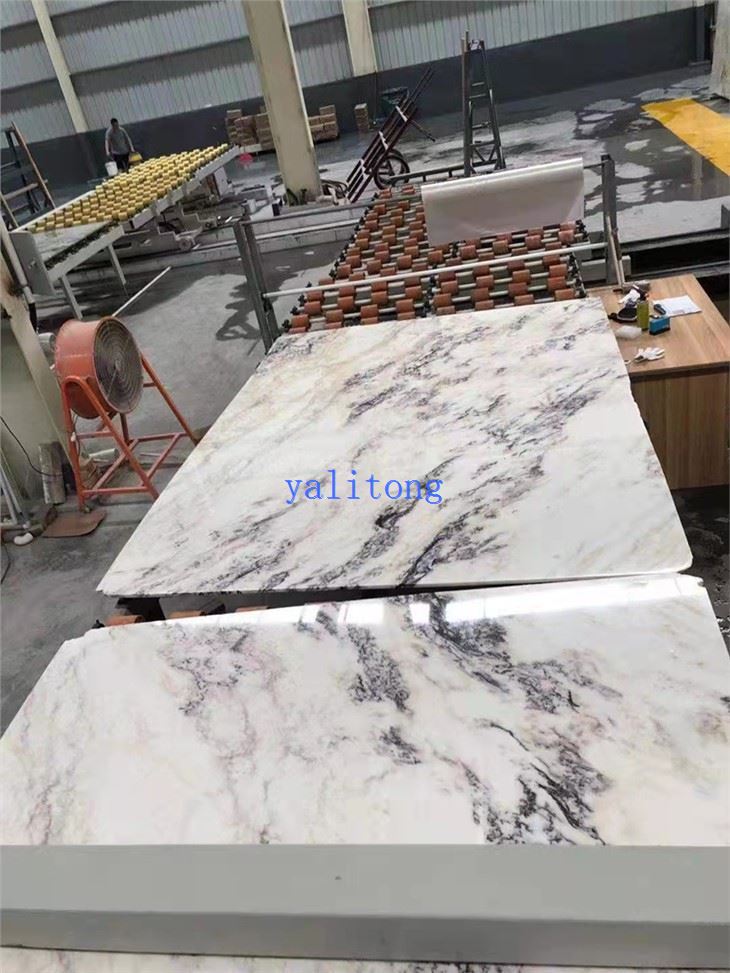
Let's look at a couple of case studies to illustrate the importance of choosing the right slab size. In a high - end residential kitchen renovation, the client initially wanted to use small slabs for the countertop because they were concerned about the cost. However, after considering the overall design and the natural veining of the China Violet Marble Slabs, we recommended using large slabs. The large slabs allowed the beautiful violet - colored veins to flow continuously across the countertop, creating a stunning visual impact that exceeded the client's expectations. Although the initial cost was higher, the final result was well worth the investment, adding significant value to the kitchen and the entire home.
In a commercial lobby project, the architect originally planned to use large slabs for the flooring. However, after analyzing the traffic flow and the structural limitations of the building, we advised using medium - sized slabs. The medium - sized slabs provided a good balance between durability and ease of installation. They also allowed for a more efficient use of the available space, reducing waste and controlling costs. The final result was a functional and aesthetically pleasing lobby that met all the project requirements.
Conclusion
Choosing the size of a stone slab is a complex decision that involves multiple factors, including project requirements, aesthetics, structural constraints, availability, and cost. As a stone slab supplier, we are committed to helping our customers make informed choices. By understanding the unique needs of each project and providing expert advice, we can ensure that our customers select the perfect slab size for their application.
If you're in the process of planning a project that requires stone slabs and need assistance in choosing the right size, we're here to help. Our team of experienced professionals can offer personalized guidance and support to ensure that your project is a success. Contact us today to start discussing your stone slab needs and let's work together to bring your vision to life.
References
- "Natural Stone Handbook" by John S. Beckwith
- "Stone Masonry and Building Construction" by George K. Chadwick