

How do I remove mold from a granite counter top?
Dec 24, 2025
Mold on a granite countertop can be a frustrating and unsightly problem. As a supplier of high - quality granite countertops, I understand the importance of maintaining the beauty and functionality of these surfaces. In this blog, I'll share some effective methods to remove mold from granite countertops based on scientific knowledge and practical experience.
Understanding the Nature of Mold on Granite
Granite is a natural stone known for its durability and resistance to many elements. However, it is not completely immune to mold growth. Mold thrives in moist, warm, and dark environments. If water is left standing on the granite countertop for extended periods, or if there is poor ventilation in the area where the countertop is installed, mold can start to grow.
Mold can appear as black, green, or white spots on the surface of the granite. It not only looks unappealing but can also pose health risks, especially for those with allergies or respiratory problems. Therefore, it's crucial to address the mold issue as soon as it's detected.
Safety Precautions
Before you start the mold - removal process, it's important to take some safety precautions. Wear protective gloves to avoid direct contact with the mold and cleaning agents. Also, use a mask to prevent inhaling mold spores. Ensure that the area is well - ventilated by opening windows or using a fan.

Step - by - Step Mold Removal Process
Step 1: Prepare the Cleaning Solution
There are several effective cleaning solutions that you can use to remove mold from granite countertops. One of the most common and safe options is a mixture of warm water and mild dish soap. In a spray bottle, combine about 1 tablespoon of mild dish soap with 2 cups of warm water. Shake the bottle well to ensure that the soap is fully dissolved.
Another option is a solution of white vinegar and water. Vinegar is a natural disinfectant and can help kill mold. Mix equal parts of white vinegar and water in a spray bottle.
Step 2: Spray the Cleaning Solution
Spray the chosen cleaning solution generously over the moldy areas of the granite countertop. Make sure to cover all the visible mold spots. Let the solution sit on the surface for about 10 - 15 minutes. This allows the cleaning agents to penetrate the mold and break it down.
Step 3: Scrub the Moldy Areas
After the cleaning solution has had time to work, use a soft - bristled brush or a non - abrasive sponge to scrub the moldy areas gently. Avoid using abrasive materials such as steel wool, as they can scratch the granite surface. Scrub in a circular motion to lift the mold from the countertop.
If the mold is stubborn, you may need to apply a bit more pressure, but be careful not to damage the granite. You can also use a toothbrush for hard - to - reach areas or small spots of mold.
Step 4: Rinse the Countertop
Once you have scrubbed the moldy areas, rinse the countertop thoroughly with clean water. You can use a clean sponge or a cloth to wipe away the cleaning solution and loosened mold. Make sure to remove all traces of the cleaning solution, as any residue left behind can attract dirt and cause the countertop to look dull.
Step 5: Dry the Countertop
After rinsing, dry the granite countertop completely with a clean, dry cloth. Leaving the countertop wet can create an environment conducive to future mold growth. Make sure to dry all the corners and edges of the countertop.
Dealing with Stubborn Mold
If the above steps do not completely remove the mold, you may need to use a stronger cleaning agent. Hydrogen peroxide is a powerful disinfectant that can be effective against stubborn mold. In a spray bottle, mix 3% hydrogen peroxide with water in a 1:1 ratio. Spray the solution on the moldy areas, let it sit for 10 - 15 minutes, and then scrub and rinse as described above.
However, before using hydrogen peroxide on a large area, it's a good idea to test it on a small, inconspicuous area of the granite countertop to make sure it doesn't cause any discoloration.
Preventing Future Mold Growth
Preventing mold growth is just as important as removing it. Here are some tips to keep your granite countertop mold - free:
- Wipe up spills immediately: Don't let water or other liquids sit on the countertop for long periods. Use a dry cloth to wipe up any spills as soon as they occur.
- Improve ventilation: If the area where the countertop is installed has poor ventilation, consider using a dehumidifier or installing a ventilation fan. This helps to reduce the moisture level in the air, making it less likely for mold to grow.
- Seal the granite: Regularly sealing your granite countertop can help protect it from moisture and mold. Sealing creates a barrier that prevents water from seeping into the pores of the granite. Follow the manufacturer's instructions for sealing your specific type of granite.
Our Granite Countertop Products
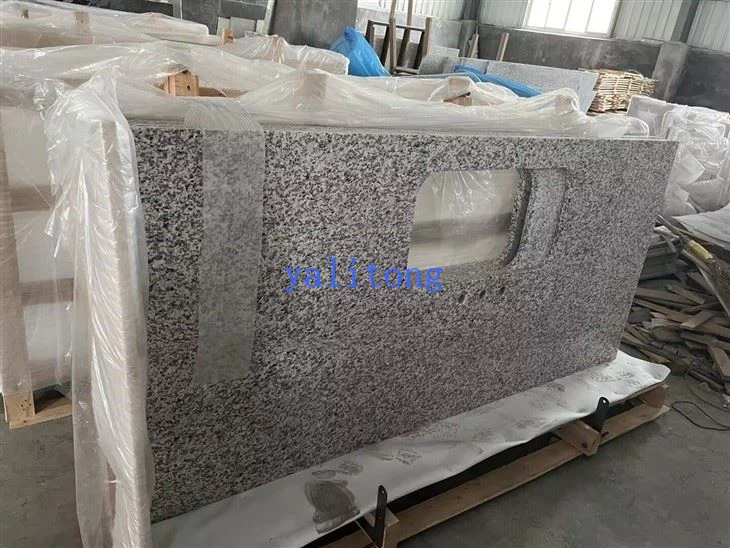
At our company, we offer a wide range of high - quality granite countertops, including Tiger White Granite Countertops, Navajo White Granite Vanity Tops, and Black Granite Honed Side Table. Our granite countertops are not only beautiful but also durable and resistant to many common problems, including mold.
If you are interested in purchasing our granite countertops or have any questions about mold removal or countertop maintenance, we encourage you to contact us for a procurement negotiation. Our team of experts is ready to assist you in finding the perfect granite countertop for your needs.
References
- "Granite Countertop Care and Maintenance Guide" by Stone Industry Association
- "Mold Prevention and Remediation in Residential Buildings" by Environmental Protection Agency