

How do I prevent mold growth in a bar sink drain?
May 19, 2025
Hey there! As a supplier of bar sinks, I've seen my fair share of mold issues in bar sink drains. It's a common problem that can turn a cozy bar area into an unpleasant and unhygienic space. But don't worry, I'm here to share some practical tips on how to prevent mold growth in a bar sink drain.
Why Mold Grows in Bar Sink Drains
First things first, let's understand why mold loves to grow in bar sink drains. Mold thrives in damp, dark, and warm environments with a food source. In a bar sink drain, there's usually plenty of moisture from the water used to clean glasses, mix drinks, and rinse off spills. Plus, bits of food, sugar from drinks, and other organic matter can get trapped in the drain, providing the perfect food for mold to feast on.
Regular Cleaning
One of the most effective ways to prevent mold growth is to clean your bar sink drain regularly. I recommend doing a quick clean at least once a week, and a more thorough deep clean every month.
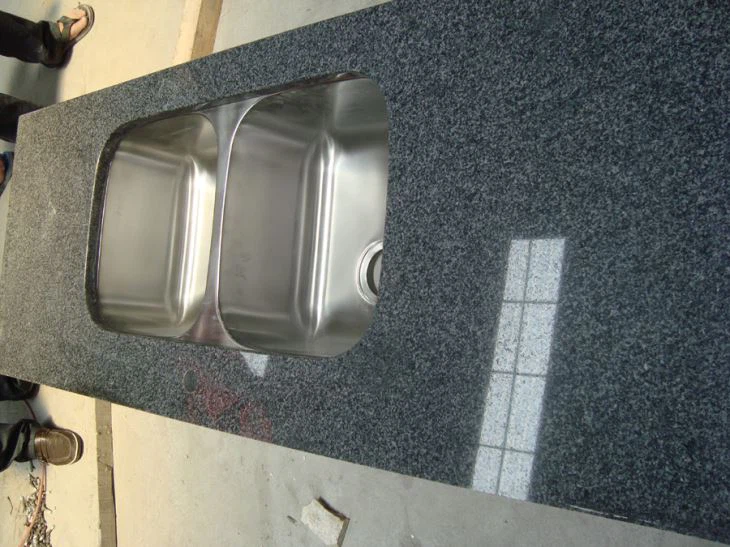
For a quick clean, you can use a mixture of hot water and vinegar. Pour about a cup of white vinegar down the drain, followed by a pot of boiling water. The vinegar helps to break down grease and organic matter, while the hot water flushes it all away. You can also use a drain brush to scrub the inside of the drainpipe to remove any stubborn gunk.
For a deeper clean, you can make a paste using baking soda and water. Apply the paste to the inside of the drain and let it sit for about 15 - 20 minutes. Then, pour a cup of vinegar down the drain. The chemical reaction between the baking soda and vinegar will help to loosen up dirt and mold. After that, flush the drain with hot water.
Keep the Drain Dry
Mold needs moisture to grow, so keeping the drain dry is crucial. After using the bar sink, make sure to dry the sink and the area around the drain with a clean towel. You can also leave the drain open to allow air to circulate and dry out any remaining moisture.
If your bar sink has a stopper, make sure to remove it and let the water drain completely. Leaving water sitting in the sink or the drain for long periods of time creates a perfect breeding ground for mold.
Use a Drain Strainer
A drain strainer is a simple but effective tool that can help prevent mold growth. It catches food particles, ice, and other debris before they go down the drain, reducing the amount of organic matter that can accumulate and feed mold.
There are many different types of drain strainers available, from simple mesh ones to more complex ones with multiple layers. Choose one that fits your bar sink drain properly and clean it regularly to ensure it works effectively.
Check for Leaks
Leaks in the plumbing system can also contribute to mold growth. A small leak under the sink or in the drainpipe can create a constant source of moisture, which is ideal for mold.
Regularly check the pipes under the bar sink for any signs of leaks, such as water stains, dampness, or a musty smell. If you find a leak, fix it as soon as possible. You can either do it yourself if it's a minor issue or call a professional plumber if it's more serious.
Use Mold - Resistant Products
When it comes to bar sinks, choosing mold - resistant products can make a big difference. At our store, we offer a variety of high - quality bar sinks that are designed to resist mold and mildew.
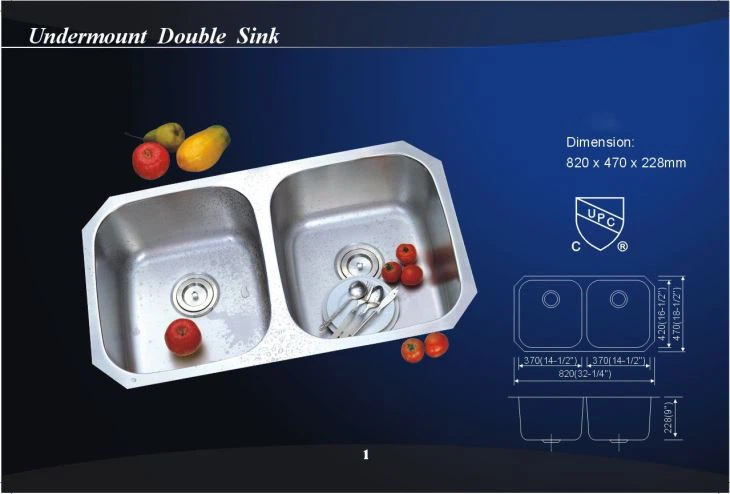
For example, our Hand Made Undermount Stainless Steel 32 in. Equal Double Basin Kitchen Sink (HM3219) is made of durable stainless steel, which is not only easy to clean but also resistant to mold. The smooth surface of the stainless steel prevents dirt and debris from sticking, reducing the chances of mold growth.
Another great option is our Square Undermount Big & Small Bowl Stainless Steel Kitchen Wash Sink (8252A). This sink has a modern design and is made of high - grade stainless steel, providing excellent resistance to mold and corrosion.
And if you're looking for a double - bowl sink, our Square Undermount Double Bowl Stainless Steel Kitchen Wash Sink (802) is a great choice. It offers plenty of space for washing and rinsing, and its stainless - steel construction makes it resistant to mold and easy to maintain.
Ventilation
Proper ventilation is important for preventing mold growth in any area, including the bar sink. Good ventilation helps to remove moisture from the air, reducing the humidity level in the room.
If your bar area has a window, open it regularly to let fresh air in. You can also install an exhaust fan above the bar sink. An exhaust fan can suck out the moist air and replace it with dry air from outside. Make sure to clean the exhaust fan regularly to ensure it works efficiently.
Use Natural Mold Inhibitors
There are some natural substances that can help inhibit mold growth. For example, tea tree oil is a natural antifungal and antibacterial agent. You can add a few drops of tea tree oil to a spray bottle filled with water and spray it down the drain once a week. The tea tree oil will help to kill any mold spores and prevent new ones from growing.
Another natural option is lemon juice. Lemon juice has acidic properties that can help break down grease and inhibit mold growth. You can squeeze some fresh lemon juice down the drain and let it sit for a few minutes before flushing it with water.
Conclusion
Preventing mold growth in a bar sink drain doesn't have to be a difficult task. By following these simple tips, you can keep your bar sink drain clean, dry, and mold - free.
If you're in the market for a new bar sink, we have a wide range of options to choose from. Our sinks are not only stylish but also designed to be durable and resistant to mold. Whether you need a single - basin sink or a double - basin sink, we've got you covered.
If you're interested in our products or have any questions about preventing mold growth in bar sink drains, feel free to reach out to us for more information and to start a procurement discussion. We're always happy to help you find the perfect bar sink for your needs.
References
- "Mold Prevention Tips." Environmental Protection Agency.
- "Stainless Steel Sink Maintenance Guide." Industry standards and best - practice documents.